
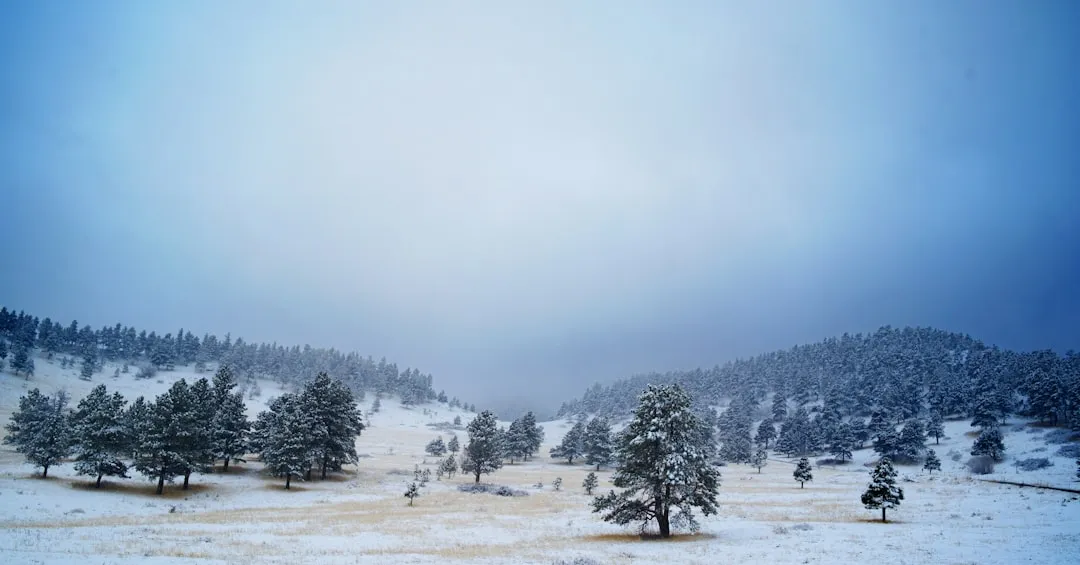
As Colorado's landscapes undergo transformation, it's important to acknowledge the significant climate changes affecting the region. Recent decades have shown measurable shifts in weather patterns, characterized by warmer winters and increasingly erratic snowfall. These alterations impact various aspects of daily life, from clothing choices to home winterization strategies.
Recognizing these climate trends is essential for effective lifestyle adaptation and maintaining home safety during winter months. Colorado's rising temperatures represent a consistent pattern within the broader context of global climate change. Winters have demonstrably shortened, with snowfall becoming less predictable.
These changes create cascading effects, including heightened wildfire risk during summer periods and disruption to local ecosystems. Staying informed about these climate developments enables better personal and household preparation for winter conditions, allowing residents to effectively respond to changing environmental circumstances.
Inspecting and Maintaining Your Home's Heating System
As winter approaches, one of the most critical tasks on your to-do list should be inspecting and maintaining your home's heating system. A well-functioning heating system is essential for keeping your living space warm and comfortable during the cold months. Start by checking your furnace or boiler to ensure it is operating efficiently.
You may want to replace filters, clean vents, and schedule a professional inspection if you notice any unusual noises or smells. Taking these steps can help prevent unexpected breakdowns when you need heat the most. In addition to checking your heating system, consider upgrading to a programmable thermostat if you haven't already.
This device allows you to set specific temperatures for different times of the day, helping you save on energy costs while ensuring your home remains cozy. Regular maintenance not only extends the life of your heating system but also enhances its efficiency, which is particularly important as energy costs continue to rise. By being proactive about your heating system, you can enjoy peace of mind knowing that your home will be warm and welcoming throughout the winter months.
Weatherproofing Your Home
Weatherproofing your home is another essential step in preparing for winter in Colorado. The cold air can seep through cracks and gaps in your home, leading to drafts that make your heating system work harder than necessary. Start by inspecting windows and doors for any signs of air leaks.
You can use weatherstripping or caulk to seal these gaps effectively. This simple yet effective measure can significantly improve your home's energy efficiency and comfort level. Additionally, consider adding insulation to areas like attics and basements, where heat loss is common.
Insulation acts as a barrier against cold air, keeping your home warmer and reducing energy consumption. You might also want to check your roof for any missing shingles or damage that could lead to leaks during snowmelt or rain. By taking these weatherproofing steps, you not only enhance your home's comfort but also protect it from potential damage caused by harsh winter conditions.
Preparing Your Plumbing for Freezing Temperatures
As temperatures drop, one of the most critical aspects of winter preparation is ensuring that your plumbing is ready to withstand freezing conditions. Frozen pipes can lead to significant damage and costly repairs, so it’s essential to take preventive measures. Start by insulating exposed pipes in unheated areas such as basements, attics, and crawl spaces.
Pipe insulation sleeves or heat tape can provide an extra layer of protection against freezing temperatures. In addition to insulating pipes, it’s wise to let faucets drip during extreme cold spells. This simple action can help relieve pressure in the plumbing system and prevent pipes from bursting.
If you plan to be away from home during winter, consider shutting off the water supply and draining the pipes to avoid any potential issues while you're gone. By taking these precautions, you can safeguard your plumbing system and enjoy a worry-free winter season.
Winterizing Your Outdoor Spaces
Winterizing your outdoor spaces is just as important as preparing the interior of your home. Start by clearing gutters and downspouts of leaves and debris to ensure proper drainage during snowmelt and rain. Clogged gutters can lead to ice dams, which can cause water damage to your roof and walls.
Additionally, consider covering outdoor furniture or bringing it indoors to protect it from harsh weather conditions. If you have a garden or landscaping, take time to prepare those areas as well. Mulching around plants can help insulate their roots from freezing temperatures, while pruning dead branches can prevent them from breaking under the weight of snow or ice.
Don’t forget about your lawn; aerating it before winter can promote healthy growth come springtime. By winterizing your outdoor spaces, you not only protect your investments but also create a more pleasant environment for yourself and your family during the colder months.
Stocking Up on Emergency Supplies
As winter weather can be unpredictable in Colorado, stocking up on emergency supplies is a wise decision that can keep you safe and comfortable during severe storms or power outages. Begin by creating an emergency kit that includes essentials such as non-perishable food items, bottled water, flashlights, batteries, and a first-aid kit. Having these supplies readily available ensures that you are prepared for any situation that may arise.
In addition to basic supplies, consider including items specific to winter weather emergencies. Blankets, warm clothing, and even a portable phone charger can be invaluable during a power outage or if you find yourself stranded due to heavy snowfall. Regularly check and update your emergency kit to ensure that all items are in good condition and within their expiration dates.
By taking the time to prepare an emergency supply kit, you can face winter with confidence and peace of mind.
Creating a Winter Emergency Plan
Creating a winter emergency plan is an essential step in ensuring the safety of you and your family during severe weather events. Start by discussing potential scenarios with your loved ones, such as what to do in case of a power outage or if someone gets stranded while traveling. Establishing clear communication channels is vital; make sure everyone knows how to reach each other in case of an emergency.
Additionally, identify safe meeting places both at home and outside of it where family members can regroup if separated during a storm. It’s also wise to keep important documents—such as insurance information and medical records—organized and easily accessible in case of an emergency evacuation. By having a well-thought-out winter emergency plan in place, you can ensure that everyone knows their roles and responsibilities when faced with unexpected challenges.
Staying Informed and Being Proactive
Finally, staying informed about weather conditions and being proactive in your preparations is key to navigating winter successfully in Colorado. Regularly check local weather forecasts and alerts so that you are aware of any impending storms or temperature drops. Many communities offer resources such as newsletters or social media updates that provide valuable information about road conditions and safety tips.
Being proactive means not only preparing your home but also staying engaged with your community. Consider joining local groups or forums where residents share advice on winter preparedness or offer assistance during severe weather events. By fostering connections with neighbors and staying informed about local resources, you create a support network that can be invaluable during challenging times.
Embracing this proactive approach will help you face winter with confidence and resilience, ensuring that you are ready for whatever comes your way.
SCHEDULE YOUR FREE CONSULTATION
FAQs
What are the key steps to winterize a home in Colorado?
Key steps include inspecting and sealing windows and doors, insulating pipes, servicing the heating system, cleaning gutters, and ensuring the roof is in good condition to handle snow loads.
When should I start preparing my Colorado home for winter weather?
It is best to begin preparations in early fall, around September or October, to ensure your home is ready before the first snowfall.
How can I protect my pipes from freezing in Colorado winters?
Insulate exposed pipes, keep cabinet doors open to allow warm air circulation, and consider using heat tape or pipe sleeves on vulnerable pipes.
What heating system maintenance is recommended before winter?
Have a professional inspect and service your furnace or boiler, replace filters, and check for any leaks or issues to ensure efficient operation during cold months.
Are there specific insulation tips for Colorado homes?
Yes, adding insulation to attics, basements, and crawl spaces helps retain heat. Weatherstripping doors and windows also reduces drafts and energy loss.
How can I prepare my roof for heavy snow in Colorado?
Inspect for damaged or missing shingles, clear debris, and consider installing snow guards to prevent ice dams and heavy snow buildup.
What safety measures should I take for winter storms?
Keep emergency supplies like flashlights, batteries, blankets, and food. Ensure carbon monoxide detectors are working and have a plan for power outages.
Is it necessary to service my chimney before winter?
Yes, if you use a fireplace or wood stove, have the chimney cleaned and inspected to prevent fire hazards and ensure proper ventilation.
How can I prevent ice dams on my home?
Improve attic insulation and ventilation to keep the roof cold, and clear gutters to allow melting snow to drain properly.
What outdoor maintenance is important before winter in Colorado?
Trim tree branches near the house, store outdoor furniture, drain and store garden hoses, and winterize irrigation systems to prevent damage.