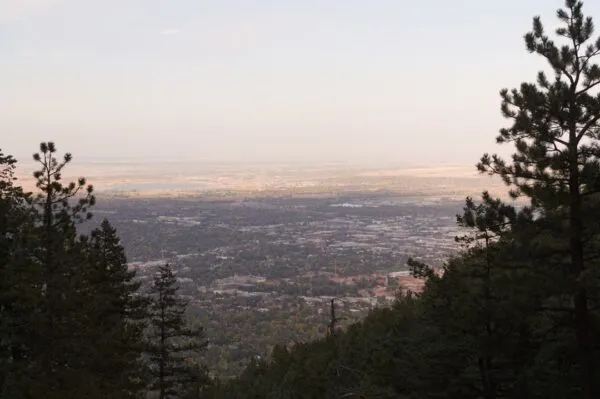
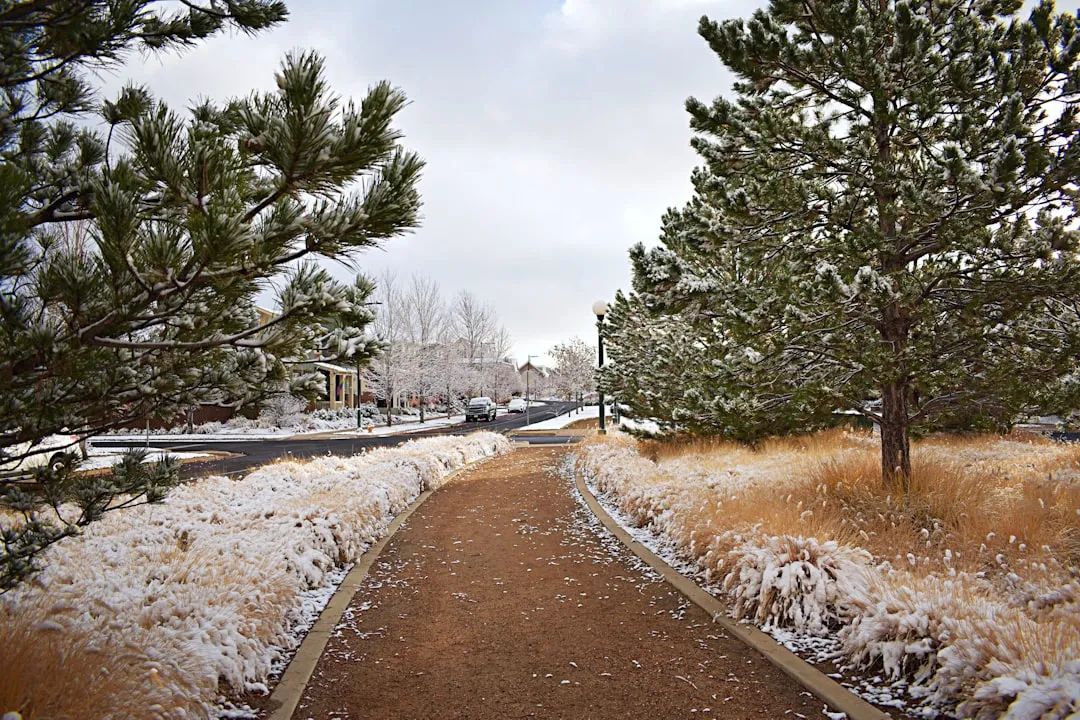
As autumn transitions to winter in Colorado, residents and visitors anticipate the season's natural beauty with snow-covered mountains and scenic landscapes. Winter 2026 will require homeowners to prepare their properties against challenging weather conditions. Colorado's high-altitude environment and variable climate necessitate proactive measures to protect homes from winter's harsh elements.
This article examines various aspects of winter preparation, including potential impacts on residential structures and practical winterization strategies. Both long-term residents and newcomers will benefit from understanding the upcoming winter conditions, enabling them to implement protective measures for their homes. Proper preparation can prevent expensive damage and maintain a comfortable living environment throughout the winter months.
Understanding the Potential Impact on Colorado Homes
Winter in Colorado can be both enchanting and challenging. The heavy snowfall and freezing temperatures can lead to a range of issues for homeowners, from structural damage to increased energy costs. Understanding these potential impacts is crucial for effective preparation.
For instance, heavy snow accumulation on roofs can lead to dangerous ice dams, which can cause leaks and water damage inside your home. Additionally, the cold temperatures can put immense strain on your heating system, leading to unexpected breakdowns if not properly maintained. Moreover, the risk of frozen pipes is a significant concern during Colorado winters.
When temperatures plummet, water inside pipes can freeze and expand, leading to cracks or bursts that can result in extensive water damage. By recognizing these risks early on, you can take proactive measures to mitigate them. This understanding not only helps you protect your investment but also ensures that your home remains a safe haven during the cold months ahead.
Winterizing Your Home: Tips and Tricks for Preparation
Preparing your home for winter involves a series of strategic steps that can make all the difference when the snow begins to fall. One of the first things you should do is conduct a thorough inspection of your property. Check for drafts around windows and doors, as even small gaps can lead to significant heat loss and increased energy bills.
Sealing these gaps with weatherstripping or caulk can create a more energy-efficient environment. In addition to sealing drafts, consider insulating your attic and basement. These areas are often overlooked but play a crucial role in maintaining your home's temperature.
Proper insulation helps keep warm air inside and cold air out, reducing the strain on your heating system. Furthermore, don’t forget to check your smoke detectors and carbon monoxide alarms; ensuring they are functional is vital for safety during the winter months when heating systems are in use more frequently.
Protecting Your Plumbing and Pipes from Freezing
One of the most critical aspects of winter preparation is protecting your plumbing system from freezing temperatures. To prevent pipes from freezing, start by identifying any vulnerable areas in your home, such as unheated garages or crawl spaces. Insulating these pipes with foam sleeves or heat tape can provide an extra layer of protection against the cold.
Additionally, it’s wise to let faucets drip during extreme cold spells. This simple act keeps water flowing through the pipes, reducing the likelihood of freezing. If you plan to be away from home during winter, consider shutting off the main water supply and draining your pipes to prevent any potential disasters while you’re gone.
By taking these precautions, you can avoid costly repairs and ensure that your plumbing system remains intact throughout the winter season.
Preparing Your Roof and Gutters for Heavy Snowfall
Your roof and gutters play a vital role in managing snow and ice during winter storms. Before the first snowfall, it’s essential to inspect your roof for any signs of damage or wear. Look for missing shingles or areas where water may have pooled during previous storms.
Addressing these issues now can prevent more significant problems later on. Cleaning your gutters is another crucial step in winter preparation. Clogged gutters can lead to ice dams forming on your roof, which can cause water to back up and leak into your home.
Ensure that gutters are free from debris and functioning properly so that melting snow can drain away efficiently. If you live in an area prone to heavy snowfall, consider installing gutter guards to minimize debris accumulation throughout the season.
Insulating Your Windows and Doors to Keep the Cold Out
Windows and doors are often significant sources of heat loss in homes during winter months. To combat this issue, consider adding insulation to these areas. One effective method is using thermal curtains or window film, which can help retain heat while blocking out cold drafts.
Additionally, applying weatherstripping around doors and windows will seal any gaps that may allow cold air to seep inside. Another option is to use storm windows or window inserts for added insulation. These solutions create an extra barrier against the cold while still allowing natural light into your home.
By taking these steps to insulate your windows and doors, you’ll create a more comfortable living environment while also reducing energy costs during the chilly months ahead.
Maintaining Your Heating System for Optimal Performance
Your heating system is your best ally during Colorado's frigid winters, so ensuring it operates efficiently is paramount. Start by scheduling a professional inspection before winter sets in; this will allow technicians to identify any potential issues and perform necessary maintenance tasks such as cleaning filters or checking for leaks. A well-maintained heating system not only keeps your home warm but also extends its lifespan.
In addition to professional maintenance, there are steps you can take on your own to optimize performance. Regularly replace air filters according to manufacturer recommendations; dirty filters restrict airflow and force your system to work harder than necessary. Furthermore, consider programming your thermostat to maintain a consistent temperature throughout the day; this not only enhances comfort but also helps manage energy consumption effectively.
Emergency Preparedness: Creating a Winter Survival Kit for Your Home
No matter how well-prepared you are, winter storms can sometimes catch you off guard. Creating a winter survival kit is an essential step in ensuring that you and your family are ready for any emergencies that may arise during severe weather conditions. Start by gathering essential supplies such as non-perishable food items, bottled water, flashlights with extra batteries, and a first-aid kit.
In addition to basic supplies, consider including items specific to winter emergencies, such as blankets, warm clothing, and a battery-powered radio for weather updates. It’s also wise to have a backup power source available, such as a generator or portable charger for electronic devices. By assembling a comprehensive winter survival kit, you’ll be better equipped to handle unexpected situations and keep your family safe during Colorado's unpredictable winter weather.
In conclusion, preparing for Winter 2026 in Colorado requires careful planning and proactive measures. By understanding the potential impacts on your home and taking steps to winterize it effectively, you can create a safe and comfortable environment for yourself and your loved ones. From protecting plumbing systems to maintaining heating efficiency and assembling emergency kits, each action contributes significantly to ensuring that you navigate the season with confidence and peace of mind.
Embrace the beauty of Colorado winters while being prepared for whatever challenges may come your way!
SCHEDULE YOUR FREE CONSULTATION
FAQs
What are the expected weather conditions for Winter 2026 in Colorado?
Winter 2026 in Colorado is anticipated to bring colder temperatures, increased snowfall, and potential winter storms, which can impact daily life and home maintenance.
How can winter weather affect homes in Colorado?
Winter weather can cause issues such as frozen pipes, roof damage from heavy snow, increased heating costs, and potential power outages due to storms.
What steps can homeowners take to prepare their homes for Winter 2026?
Homeowners should insulate pipes, inspect and repair roofs, seal windows and doors to prevent drafts, service heating systems, and stock up on emergency supplies.
Are there specific areas in Colorado more vulnerable to winter weather impacts?
Yes, mountainous regions and higher elevations typically experience more severe winter conditions, including heavier snowfall and colder temperatures, increasing the risk of weather-related home damage.
How can homeowners protect their plumbing during the winter?
To protect plumbing, homeowners should insulate exposed pipes, keep indoor temperatures consistent, allow faucets to drip during extreme cold, and shut off outdoor water sources.
What emergency supplies should Colorado residents have for winter storms?
Essential supplies include flashlights, batteries, non-perishable food, water, blankets, a first aid kit, a battery-powered radio, and a backup heating source if possible.
When is the best time to prepare a home for winter in Colorado?
Preparation is best done in the fall, before the first major snowfall, to ensure heating systems are serviced and the home is properly insulated and sealed.
Can winter storms cause power outages in Colorado?
Yes, heavy snow and ice can damage power lines, leading to outages. Homeowners should be prepared with alternative heating and lighting options.
Is it necessary to clear snow from roofs during winter?
Yes, removing excessive snow can prevent roof damage or collapse, especially after heavy snowfall. However, it should be done safely or by professionals.
How does winter affect heating costs for Colorado homes?
Heating costs typically increase during winter due to prolonged use of heating systems. Proper insulation and energy-efficient practices can help reduce expenses.