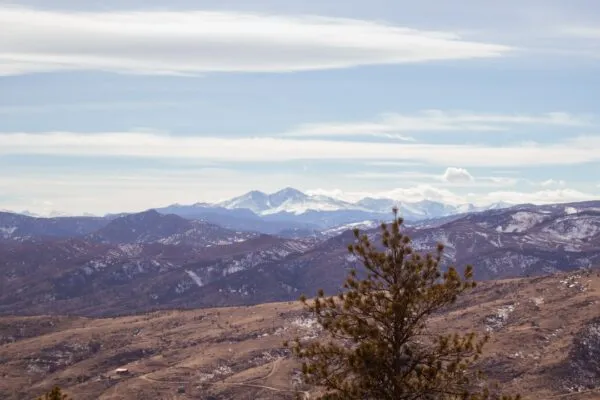
As winter temperatures moderate and spring approaches in Colorado, property owners can begin preparing their outdoor spaces for the growing season. The state's mountainous terrain and variable elevation create distinct microclimates that influence gardening and landscaping practices. Colorado's semi-arid climate, characterized by low humidity, intense sunlight, and significant temperature fluctuations, requires specific maintenance strategies for optimal landscape health.
Spring preparation in Colorado typically begins when soil temperatures consistently reach 40-45°F and the risk of hard frost diminishes. The state's diverse elevation zones, ranging from 3,300 feet in the eastern plains to over 14,000 feet in the Rocky Mountains, result in varying growing seasons and plant hardiness requirements. Most populated areas fall within USDA hardiness zones 3-7, with last frost dates occurring between mid-April and early June depending on location and elevation.
Effective spring landscape preparation involves soil assessment, irrigation system maintenance, plant selection appropriate for local conditions, and timing of planting activities. Colorado's alkaline soils, typically with pH levels between 7.0-8.5, often require amendments to support optimal plant growth. The region's average annual precipitation of 12-20 inches in most areas necessitates efficient water management and drought-tolerant landscaping practices.
Understanding these environmental factors enables property owners to develop sustainable outdoor spaces suited to Colorado's unique growing conditions.
Preparing Your Garden for Spring: Tips for Planting and Pruning
As spring approaches, it’s time to roll up your sleeves and get your hands dirty in the garden. The first step in preparing your garden is to assess what survived the winter months and what needs to be replaced. You may find that some perennials have made it through, while others may need to be replanted.
Take this opportunity to clear away any dead foliage or debris that has accumulated over the winter. This not only tidies up your garden but also allows sunlight to reach the soil, encouraging new growth. Once you’ve cleaned up your garden beds, it’s time to think about planting.
Consider starting with cool-season crops such as lettuce, peas, and radishes, which thrive in the cooler temperatures of early spring. You can also begin sowing seeds for flowers like pansies and snapdragons that will add color to your landscape. When planting, be mindful of the specific needs of each plant, including sunlight, soil type, and spacing.
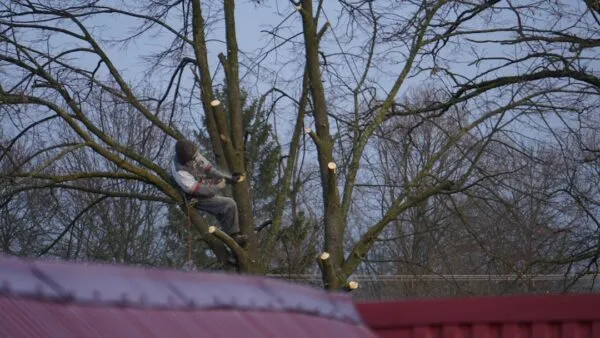
This attention to detail will set the foundation for a flourishing garden. Pruning is another crucial aspect of preparing your garden for spring. Many shrubs and trees benefit from a good trim at this time of year, as it encourages healthy growth and flowering.
Focus on removing any dead or damaged branches and shaping your plants to promote better air circulation. This not only enhances their appearance but also helps prevent diseases that can arise from overcrowding. By taking these steps now, you’ll ensure that your garden is primed for a season of growth and beauty.
Lawn Care: Essential Steps for a Healthy and Lush Lawn
Your lawn is often the first impression visitors have of your home, so ensuring it looks its best is essential. As spring arrives in Colorado, it’s time to give your lawn some much-needed attention after the harsh winter months. Start by raking up any debris that has accumulated over the winter, including leaves and twigs.
This will help prevent mold and allow sunlight to penetrate the grass, promoting healthy growth. Next, consider aerating your lawn if it has become compacted over time. Aeration involves perforating the soil with holes to allow air, water, and nutrients to penetrate deeper into the root system.
This process can significantly improve the health of your grass by encouraging deeper root growth and enhancing overall resilience. After aerating, apply a high-quality fertilizer tailored for Colorado’s unique climate to provide essential nutrients that will help your lawn thrive. Regular mowing is also crucial during this time of year.
As your grass begins to grow more vigorously, set your mower blades higher to avoid cutting too much at once. This practice encourages stronger roots and helps retain moisture in the soil. Additionally, be sure to keep an eye out for any weeds that may start to sprout; addressing them early will prevent them from taking over your lawn.
With consistent care and attention, you’ll soon have a lush green lawn that enhances the beauty of your outdoor space.
Exterior Maintenance: Cleaning and Repairing Outdoor Surfaces
As you prepare your outdoor spaces for spring, don’t overlook the importance of exterior maintenance. The harsh winter weather can take a toll on various surfaces around your home, including decks, patios, and siding. Begin by inspecting these areas for any signs of damage or wear.
Look for loose boards on your deck or cracks in your patio that may need repair before they worsen. Cleaning is an essential part of exterior maintenance as well. Use a pressure washer or a simple scrub brush with soapy water to remove dirt, grime, and mildew from surfaces like decks and siding.
This not only improves their appearance but also helps prevent long-term damage caused by buildup. If you have outdoor furniture, give it a thorough cleaning as well; this will ensure it’s ready for use when you want to enjoy those sunny spring days. After cleaning, take the time to make any necessary repairs.
Replace any damaged boards on your deck or patch up cracks in your patio with appropriate materials. If you notice peeling paint or stains on your siding, consider repainting or applying a fresh coat of sealant to protect against moisture damage. By investing time in exterior maintenance now, you’ll create a welcoming environment that enhances both the beauty and functionality of your outdoor spaces.
Watering and Irrigation: Best Practices for Colorado's Unique Climate
Watering is one of the most critical aspects of maintaining a healthy garden and lawn in Colorado’s unique climate. With its high elevation and varying temperatures, understanding how to effectively water your plants is essential for their survival and growth. As spring arrives, begin by assessing your soil moisture levels; this will help you determine when and how much to water.
In general, it’s best to water deeply but infrequently to encourage deep root growth. Early morning is often the ideal time for watering since temperatures are cooler and evaporation rates are lower. Aim for about one inch of water per week, either through rainfall or irrigation systems.
If you’re using sprinklers or drip irrigation, be sure to adjust them based on current weather conditions; during particularly hot spells, you may need to increase watering frequency. Consider implementing a rainwater collection system as well; this eco-friendly practice not only conserves water but also provides your plants with natural hydration free from chemicals found in municipal water supplies. Additionally, mulching around plants can help retain moisture in the soil while suppressing weeds that compete for water resources.
By adopting these best practices for watering and irrigation, you’ll ensure that your garden thrives throughout the spring season.
Sustainable Landscaping: Eco-Friendly Tips for a Beautiful Yard
As you work on enhancing your outdoor spaces this spring, consider incorporating sustainable landscaping practices into your plans. Not only do these eco-friendly approaches benefit the environment, but they also create a beautiful yard that requires less maintenance over time. Start by selecting native plants that are well-adapted to Colorado’s climate; these species typically require less water and are more resistant to local pests.
Another sustainable practice is implementing xeriscaping techniques in your garden design. This method focuses on using drought-resistant plants and minimizing water usage through strategic landscaping choices. Grouping plants with similar water needs together can help optimize irrigation efforts while reducing waste.
Additionally, consider using permeable materials for walkways and patios; this allows rainwater to seep into the ground rather than running off into storm drains. Composting is another excellent way to promote sustainability in your yard. By recycling kitchen scraps and yard waste into nutrient-rich compost, you can enrich your soil naturally without relying on chemical fertilizers.
This not only benefits your plants but also reduces landfill waste. As you embrace sustainable landscaping practices this spring, you’ll create an outdoor space that is not only beautiful but also environmentally responsible.
Pest Control: Protecting Your Garden and Home from Common Pests
As spring brings new life to your garden, it also invites various pests that can threaten your plants’ health and vitality. Being proactive about pest control is essential for maintaining a thriving outdoor space. Start by familiarizing yourself with common pests in Colorado, such as aphids, spider mites, and beetles; understanding their habits will help you identify potential problems early on.
One effective strategy for managing pests is implementing integrated pest management (IPM) techniques. This approach combines cultural practices, biological control methods, and chemical treatments when necessary to minimize harm to beneficial insects and the environment. Encourage natural predators like ladybugs and lacewings by planting diverse flowers that attract them; these beneficial insects can help keep pest populations in check.
Regularly inspecting your plants for signs of pest damage is crucial as well. Look for discolored leaves or webbing that may indicate an infestation. If you do encounter pests, consider using organic solutions such as neem oil or insecticidal soap before resorting to harsher chemicals.
By taking these steps to protect your garden from common pests, you’ll ensure a healthy growing environment throughout the spring season.
Enhancing Your Outdoor Space: Creative Ideas for Spring Landscaping and Design
As spring unfolds in Colorado, it’s an ideal time to get creative with your landscaping and design ideas for enhancing your outdoor space. Consider adding new elements that reflect your personal style while complementing the natural beauty of the region. One popular trend is incorporating native plants into your landscape design; these species not only thrive in Colorado’s climate but also attract local wildlife such as birds and butterflies.
Another way to enhance your outdoor space is by creating distinct areas for relaxation and entertainment. Consider adding a cozy seating area with comfortable furniture where you can enjoy morning coffee or evening gatherings with friends and family. Incorporating features like fire pits or outdoor kitchens can elevate your outdoor experience while providing functional spaces for entertaining.
Don’t forget about hardscaping elements as well; pathways made from natural stone or decorative gravel can add visual interest while guiding visitors through your garden. Vertical gardens or trellises adorned with climbing plants can create stunning focal points that draw the eye upward while maximizing limited space. By embracing creativity in your landscaping efforts this spring, you’ll transform your outdoor area into a beautiful oasis that reflects both nature’s splendor and your personal touch.
In conclusion, embracing the changing seasons in Colorado offers an exciting opportunity for homeowners and gardening enthusiasts alike. By preparing your garden for spring through planting and pruning, caring for your lawn diligently, maintaining exterior surfaces effectively, implementing best practices for watering and irrigation, adopting sustainable landscaping techniques, managing pests proactively, and enhancing your outdoor space creatively, you can create a vibrant environment that flourishes throughout the season. As you embark on this journey of renewal and growth, remember that each step contributes not only to the beauty of your landscape but also to its health and sustainability for years to come.
SCHEDULE YOUR FREE CONSULTATION
FAQs
What are the best spring landscaping plants for Colorado homeowners?
Colorado's climate favors drought-tolerant and native plants such as Colorado blue columbine, yarrow, Russian sage, and various ornamental grasses. Early spring bulbs like tulips and daffodils also thrive well.
When is the ideal time to start spring landscaping in Colorado?
The best time to begin spring landscaping in Colorado is typically late March to early April, after the last frost date, but this can vary depending on your specific location and elevation.
How can I prepare my lawn for spring in Colorado?
Start by raking to remove debris and dead grass, aerate compacted soil, overseed bare patches, and apply a slow-release fertilizer suited for Colorado’s soil conditions. Watering should be adjusted based on spring rainfall.
What exterior home maintenance should Colorado homeowners focus on in spring?
Key tasks include inspecting and cleaning gutters, checking the roof for winter damage, sealing cracks in driveways and walkways, servicing irrigation systems, and power washing siding and decks.
How can I conserve water while maintaining a healthy landscape in Colorado?
Use native and drought-resistant plants, install drip irrigation or smart sprinkler systems, mulch garden beds to retain moisture, and water early in the morning or late in the evening to reduce evaporation.
Are there any pest control tips for spring landscaping in Colorado?
Monitor for common pests like aphids and spider mites, encourage beneficial insects, use organic or targeted treatments when necessary, and maintain healthy plants to reduce susceptibility to pests.
What soil preparation is recommended for Colorado gardens in spring?
Test soil pH and nutrient levels, amend soil with compost or organic matter to improve texture and fertility, and ensure proper drainage to support plant health.
Can I plant vegetables in Colorado during spring?
Yes, cool-season vegetables such as lettuce, spinach, peas, and radishes can be planted in early spring. Warm-season crops should be planted after the last frost date, usually in late May.
How often should I water my landscape in Colorado during spring?
Watering frequency depends on weather conditions, soil type, and plant needs, but generally, landscapes require about 1 inch of water per week, either from rainfall or irrigation.
What are some eco-friendly landscaping practices suitable for Colorado?
Incorporate native plants, use organic mulches, reduce lawn areas, implement rainwater harvesting, and avoid chemical pesticides and fertilizers to promote sustainability.