Winterizing plumbing systems becomes necessary when temperatures drop below freezing. Frozen pipes can burst due to water expansion, resulting in property damage and repair costs ranging from hundreds to thousands of dollars. Begin winterization by draining outdoor water fixtures.
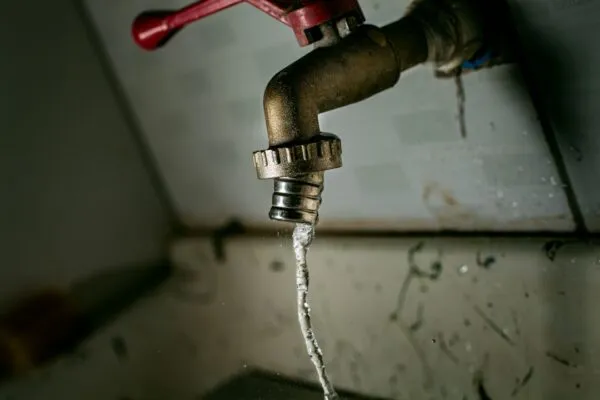
Remove garden hoses from spigots and store them indoors after complete drainage. Turn off water supply to outdoor faucets if equipped with shut-off valves, then open the faucets to drain remaining water. Water left in pipes expands approximately 9% when frozen, creating sufficient pressure to crack pipes.
Insulate exposed pipes in unheated areas including basements, crawl spaces, attics, and garages. Pipe insulation sleeves made of foam or fiberglass provide thermal protection. Heat tape or heating cables offer additional protection for pipes in extremely cold locations.
Focus on pipes along exterior walls and in areas where temperatures may drop below 32°F (0°C). Locate and test the main water shut-off valve before winter arrives. This valve, typically found near the water meter or where the main line enters the house, stops water flow to the entire property.
Ensure the valve operates smoothly and mark its location for emergency access. For extended winter absences, drain the entire plumbing system. Turn off the main water supply, then open all faucets starting from the highest floor and working downward.
Flush toilets and add antifreeze to toilet bowls and sink traps. Turn off the water heater and drain it according to manufacturer instructions. These measures eliminate water that could freeze and cause damage during unoccupied periods.
Inspecting and Cleaning Gutters
As winter approaches, inspecting and cleaning your gutters is a task that should not be overlooked. Clogged gutters can lead to a host of problems, including water damage to your roof and foundation. You should start by removing any leaves, twigs, or debris that may have accumulated in the gutters throughout the fall.
A simple scoop with your hands or a small garden trowel can do wonders in clearing out blockages. Once you’ve cleared the debris, it’s wise to flush the gutters with water using a hose to ensure that they are draining properly. In addition to cleaning, you should also inspect your gutters for any signs of damage.
Look for cracks, rust spots, or sagging sections that may need repair or replacement. Pay special attention to the downspouts; they should be clear and directing water away from your home’s foundation. If you notice any issues, addressing them promptly can save you from more extensive repairs down the line.
By taking the time to maintain your gutters, you can help protect your home from winter weather-related damage.
Roof Maintenance and Inspection
Your roof is your home’s first line of defense against winter weather, making regular maintenance and inspection essential. Start by visually inspecting your roof for any missing or damaged shingles. If you notice any issues, it’s best to address them before the snow begins to fall.
Even a small leak can lead to significant problems when ice and snow accumulate on your roof. If you’re not comfortable climbing onto your roof, consider hiring a professional to conduct a thorough inspection. In addition to checking for damaged shingles, you should also inspect the flashing around chimneys and vents.
This area is particularly vulnerable to leaks if not properly sealed. Look for any signs of rust or deterioration and replace any damaged flashing as needed. Furthermore, consider cleaning out any debris from your roof, such as leaves or branches, which can trap moisture and lead to mold growth.
By ensuring that your roof is in good condition before winter sets in, you can help prevent costly repairs and keep your home safe from the elements.
Heating System Maintenance
As winter approaches, ensuring that your heating system is functioning efficiently is vital for both comfort and safety. Start by changing or cleaning the air filters in your furnace or heating system. Clogged filters can restrict airflow and reduce efficiency, leading to higher energy bills and potential breakdowns.
Regularly replacing filters will not only improve air quality but also extend the life of your heating system. In addition to changing filters, consider scheduling a professional inspection of your heating system. A technician can perform a thorough check-up, identifying any potential issues before they become major problems.
They will inspect components such as the thermostat, ductwork, and heat exchanger for optimal performance. If you have a fireplace or wood stove, ensure that it is clean and ready for use as well. By taking these steps, you can enjoy a warm and cozy home throughout the winter months while minimizing the risk of heating-related emergencies.
Sealing Windows and Doors
Drafty windows and doors can significantly impact your home’s energy efficiency during the winter months. To keep the cold air out and the warm air in, take the time to inspect all windows and doors for gaps or leaks. You may find that weather stripping has worn out or that caulking has cracked over time.
Replacing weather stripping is a simple task that can make a noticeable difference in maintaining a comfortable indoor temperature. In addition to weather stripping, consider using caulk to seal any gaps around window frames and door thresholds. This will help prevent drafts and reduce heating costs by keeping warm air from escaping.
If you notice that some windows are particularly old or inefficient, you might want to explore options for upgrading to energy-efficient models. By sealing windows and doors effectively, you’ll create a more comfortable living environment while also saving money on energy bills.
Fireplace and Chimney Maintenance
If you enjoy cozy evenings by the fire during winter, proper maintenance of your fireplace and chimney is essential for safety and efficiency. Start by inspecting the fireplace for any signs of creosote buildup or blockages in the flue. Creosote is a flammable substance that can accumulate over time and poses a fire hazard if not removed regularly.
It’s advisable to have your chimney professionally cleaned at least once a year, especially if you use it frequently. In addition to cleaning, check the chimney cap for any damage or debris that may obstruct airflow. A properly functioning chimney cap prevents animals from entering and keeps rainwater out while allowing smoke to escape efficiently.
If you have a wood-burning fireplace, ensure that you are using seasoned wood for burning; this will produce less smoke and creosote buildup compared to unseasoned wood. By maintaining your fireplace and chimney, you can enjoy warm fires safely throughout the winter season.
Outdoor Maintenance
Winterizing your outdoor spaces is just as important as preparing the interior of your home for colder weather. Start by storing away any outdoor furniture or cushions that could be damaged by snow or ice. If you have patio furniture that cannot be moved indoors, consider using protective covers to shield them from harsh winter conditions.
Additionally, check any outdoor lighting fixtures to ensure they are functioning properly; this will help keep your property safe during long winter nights. Another critical aspect of outdoor maintenance is preparing your garden and landscaping for winter. Trim back any dead or overgrown plants and consider mulching around perennials to protect their roots from freezing temperatures.
If you have potted plants that are sensitive to cold, bring them indoors or place them in a sheltered area away from harsh winds. By taking these steps, you’ll not only protect your outdoor investments but also set yourself up for a beautiful garden come springtime.
Preparing for Snow and Ice
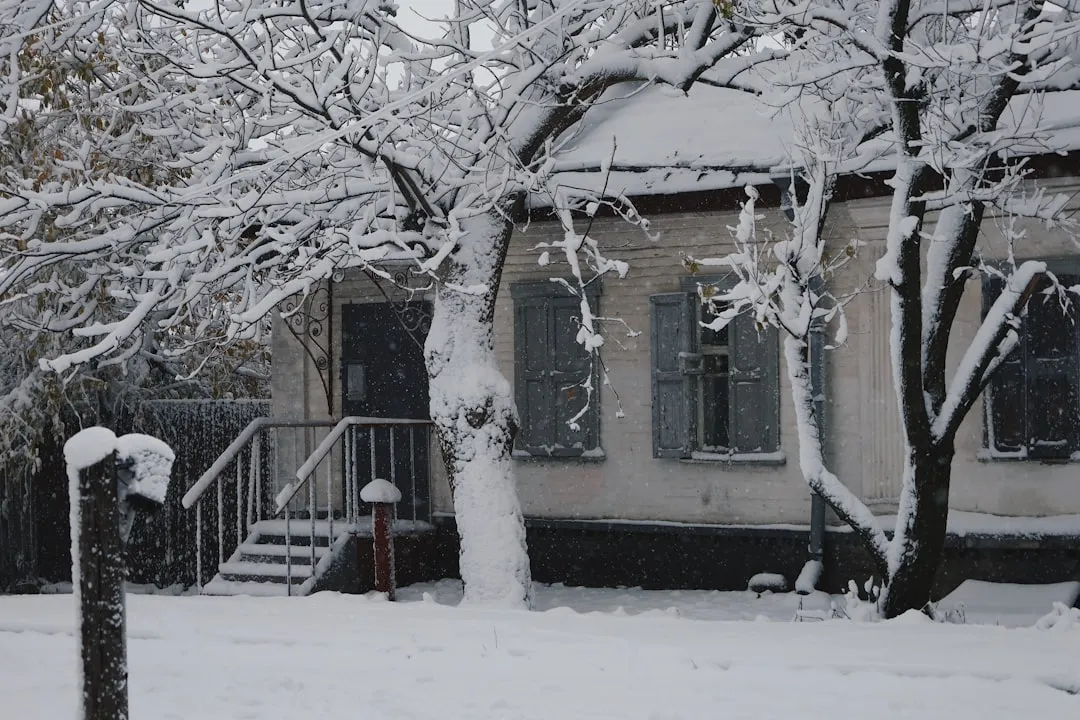
As winter weather brings snow and ice, it’s essential to be prepared for potential challenges that may arise. Start by stocking up on essential supplies such as salt or sand for de-icing walkways and driveways. Having a sturdy snow shovel on hand will also make clearing paths much easier after heavy snowfall.
Consider investing in a snow blower if you live in an area prone to significant snowfall; this can save you time and effort when clearing large areas. In addition to having the right tools for snow removal, ensure that your home is equipped with proper insulation against ice dams forming on your roof. Ice dams occur when melting snow refreezes at the eaves of your roof, causing water to back up under shingles and potentially leak into your home.
Proper insulation in your attic can help prevent this issue by keeping heat from escaping through the roof. By preparing for snow and ice effectively, you’ll be able to navigate winter weather with confidence while keeping your home safe and secure.
SCHEDULE YOUR FREE CONSULTATION
FAQs
What are the key winter maintenance tasks for Colorado homes?
Key winter maintenance tasks include inspecting and sealing windows and doors, cleaning gutters, checking the roof for damage, servicing the heating system, insulating pipes, and ensuring proper ventilation to prevent ice dams.
How can I prevent frozen pipes in my Colorado home during winter?
To prevent frozen pipes, insulate exposed pipes, keep cabinet doors open to allow warm air circulation, maintain a consistent indoor temperature, and let faucets drip slightly during extreme cold.
When should I start preparing my home for winter in Colorado?
It's best to begin winter preparations in early fall, around September or October, to ensure all maintenance tasks are completed before the first heavy snowfall.
What heating system maintenance is recommended for Colorado winters?
Regularly replace or clean furnace filters, schedule professional inspections and tune-ups, check for carbon monoxide leaks, and ensure vents and registers are unobstructed.
How can I protect my roof from winter damage in Colorado?
Clear debris from gutters, inspect for loose or damaged shingles, remove snow buildup safely, and consider installing ice and water shields to prevent ice dams.
Are there specific insulation tips for Colorado homes in winter?
Yes, adding insulation to attics, basements, and crawl spaces helps retain heat. Use weatherstripping around doors and windows and seal any gaps or cracks to improve energy efficiency.
What safety precautions should I take when using fireplaces or wood stoves?
Have chimneys inspected and cleaned annually, use a fireplace screen to prevent sparks, store firewood away from the home, and ensure proper ventilation to avoid carbon monoxide buildup.
How can I maintain outdoor plumbing during Colorado winters?
Drain and disconnect garden hoses, shut off exterior water valves, and insulate outdoor faucets to prevent freezing and potential pipe bursts.
What are common signs of winter-related home damage to watch for?
Look for water stains on ceilings or walls, ice dams on the roof, drafts near windows and doors, unusual heating bills, and cracks in the foundation or walls.
Is it necessary to check smoke and carbon monoxide detectors before winter?
Yes, testing and replacing batteries in smoke and carbon monoxide detectors before winter is crucial for safety, as heating systems are used more frequently during colder months.