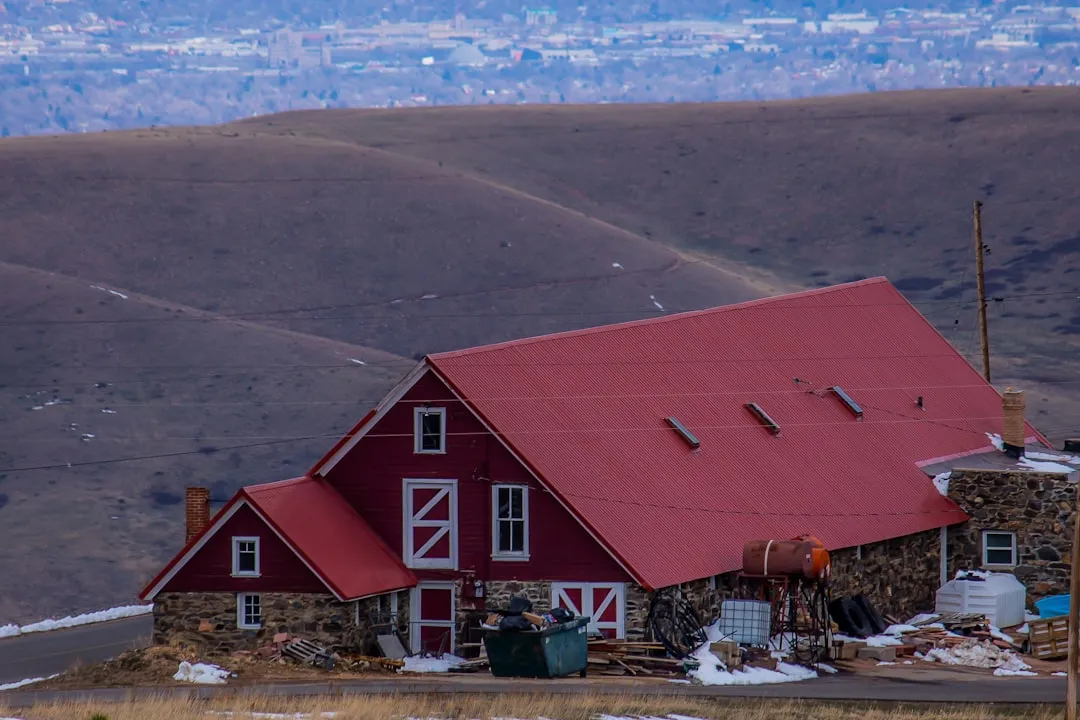
Roof and gutter maintenance is a critical aspect of home care that often receives insufficient attention despite their vital role in protecting your property from weather damage. Regular roof inspections can prevent expensive repairs by identifying early warning signs such as curled or missing shingles, corroded flashing, or structural sagging. When these indicators appear, professional evaluation is recommended to determine appropriate repair or replacement options.
Gutters serve the essential function of channeling rainwater away from your foundation. When blocked, they can cause water to accumulate around your home's base, potentially resulting in structural damage. Bi-annual gutter cleaning is recommended, with particular attention during autumn when leaf accumulation is highest.
For those uncomfortable with ladder work, professional cleaning services offer a safer alternative. Gutter guard installation can reduce debris collection and maintenance frequency. These preventative maintenance practices help preserve your roof and gutter systems, protecting your home from water-related damage.
Furnace and Heating System
As the colder months approach, ensuring that your furnace and heating system are in optimal working condition becomes paramount. You may not realize how much you rely on these systems until they fail on a chilly winter night. To avoid such discomfort, it’s wise to schedule an annual inspection with a qualified technician.
They can check for any issues, clean the system, and replace filters to ensure efficient operation. Regular maintenance not only extends the life of your furnace but also improves energy efficiency, which can lead to lower utility bills. In addition to routine inspections, you should familiarize yourself with the signs that indicate your heating system may need attention.
Unusual noises, inconsistent heating throughout your home, or an increase in energy bills can all be red flags. If you notice any of these symptoms, don’t hesitate to reach out for professional help. Furthermore, consider upgrading to a programmable thermostat if you haven’t already; this simple addition can help you manage your heating more effectively and save money in the long run.
Insulation and Weather Stripping
Proper insulation and weather stripping are essential components of an energy-efficient home. You might be surprised to learn that a significant amount of heat loss occurs through poorly insulated walls, attics, and basements. By ensuring that your home is adequately insulated, you can maintain a comfortable temperature year-round while reducing your energy consumption.
Take the time to inspect your insulation levels and consider adding more if necessary. This investment not only enhances comfort but also pays off in terms of energy savings. Weather stripping is another critical aspect of maintaining an energy-efficient home.
Gaps around doors and windows can allow cold air to seep in during winter months and warm air to escape during summer. You should regularly check for worn or damaged weather stripping and replace it as needed. This simple task can significantly improve your home’s energy efficiency and comfort level.
By addressing insulation and weather stripping proactively, you create a more inviting living space while also contributing to environmental sustainability.
Chimney and Fireplace
If you have a fireplace in your home, it’s essential to prioritize its maintenance for both safety and efficiency. A well-maintained chimney ensures that smoke and harmful gases are properly vented outside, reducing the risk of chimney fires or carbon monoxide poisoning. You should schedule an annual chimney inspection and cleaning with a certified professional to remove creosote buildup and check for any structural issues.
This routine maintenance not only keeps your fireplace safe but also enhances its performance. In addition to chimney care, consider how you use your fireplace during colder months. Using seasoned hardwood instead of softwoods can produce less creosote buildup and create a hotter fire with less smoke.
Furthermore, if you haven’t already done so, think about investing in a fireplace insert or glass doors; these additions can improve efficiency by directing more heat into your living space rather than allowing it to escape up the chimney. By taking these steps, you can enjoy cozy fires while ensuring safety and efficiency in your home.
Outdoor Plumbing and Irrigation
As you prepare for seasonal changes, don’t forget about your outdoor plumbing and irrigation systems. Proper maintenance is crucial to prevent issues such as frozen pipes or malfunctioning sprinkler systems when spring arrives. Before winter sets in, it’s wise to drain and winterize any outdoor faucets and hoses to prevent freezing damage.
You should also check for leaks or cracks in your irrigation system; addressing these issues now can save you time and money when the growing season begins. When spring arrives, take the opportunity to inspect your irrigation system thoroughly. Ensure that all sprinkler heads are functioning correctly and that there are no blockages in the lines.
Adjusting the timing on your irrigation controller can also help conserve water while keeping your landscape healthy. By being proactive with outdoor plumbing and irrigation maintenance, you not only protect your investment but also contribute to a more sustainable environment by using water efficiently.
Windows and Doors
Windows and doors are often the first line of defense against the elements in your home. Over time, they can become worn or damaged, leading to drafts that compromise your comfort and increase energy costs. You should regularly inspect the seals around windows and doors for any signs of wear or gaps that could allow air leakage.
If you find any issues, consider applying caulk or replacing weather stripping to enhance their efficiency. In addition to sealing gaps, think about the overall condition of your windows and doors. If they are old or inefficient, upgrading to energy-efficient models can significantly improve your home’s insulation properties.
Look for windows with double or triple glazing and doors with solid cores; these features can help keep your home comfortable year-round while reducing energy consumption. By investing in quality windows and doors, you enhance both the aesthetic appeal of your home and its overall energy efficiency.
Trees and Landscaping
Your outdoor space plays a significant role in the overall health of your property, making tree care and landscaping essential components of home maintenance. Trees provide shade, enhance curb appeal, and contribute to environmental health; however, they require regular attention to thrive. You should routinely inspect trees for signs of disease or damage, such as dead branches or unusual growth patterns.
If you notice any issues, consulting an arborist can help determine the best course of action. Landscaping is another vital aspect of maintaining an inviting outdoor space. Regularly trimming shrubs, mowing the lawn, and planting seasonal flowers can enhance the beauty of your property while promoting healthy growth.
Additionally, consider incorporating native plants into your landscaping; they typically require less water and maintenance while providing habitat for local wildlife. By investing time in tree care and landscaping, you create an outdoor oasis that complements your home while contributing positively to the environment.
Emergency Supplies and Safety Measures
No one likes to think about emergencies, but being prepared is essential for ensuring the safety of yourself and your family. You should take the time to create an emergency supply kit that includes essentials such as water, non-perishable food items, first aid supplies, flashlights, batteries, and important documents. Regularly check the contents of your kit to ensure everything is up-to-date and ready for use when needed.
In addition to having supplies on hand, consider implementing safety measures throughout your home. Installing smoke detectors on every level is crucial for early fire detection; remember to test them monthly and replace batteries at least once a year. Additionally, having a fire extinguisher readily available in key areas like the kitchen can provide peace of mind in case of emergencies.
By taking these proactive steps toward preparedness, you create a safer environment for yourself and those you love while ensuring that you’re ready for whatever challenges may arise.
SCHEDULE YOUR FREE CONSULTATION
FAQs
What are the most important areas of a Colorado home to inspect before winter?
Before winter, Colorado homeowners should check the roof for damaged or missing shingles, inspect gutters and downspouts for clogs, ensure windows and doors are properly sealed, test the heating system, and examine insulation in the attic and walls.
Why is it important to inspect the heating system before winter in Colorado?
Inspecting the heating system ensures it operates efficiently and safely during cold months. This can prevent breakdowns, reduce energy costs, and avoid potential hazards like carbon monoxide leaks.
How can homeowners prevent frozen pipes during Colorado winters?
Homeowners should insulate exposed pipes, seal leaks that allow cold air inside, keep the home heated to a consistent temperature, and consider letting faucets drip during extreme cold to prevent freezing.
What maintenance should be done on gutters before winter?
Gutters should be cleaned of leaves and debris to prevent ice dams, which can cause water damage. It’s also important to check for proper drainage and repair any leaks or loose sections.
Are there specific outdoor preparations needed for Colorado winters?
Yes, homeowners should drain and store garden hoses, shut off exterior water valves, protect outdoor faucets with covers, and trim tree branches that could break under snow and ice.
How can homeowners improve energy efficiency before winter?
Sealing gaps around windows and doors with weatherstripping or caulk, adding insulation, and using thermal curtains can help retain heat and reduce energy bills during the cold months.
When is the best time to perform these winter preparations in Colorado?
It is best to complete winter home inspections and maintenance in early fall, typically between September and October, before temperatures drop significantly.
Should homeowners consider professional inspections before winter?
Yes, hiring professionals for HVAC servicing, roof inspections, and chimney cleaning can ensure critical systems are safe and functioning properly for winter conditions.