
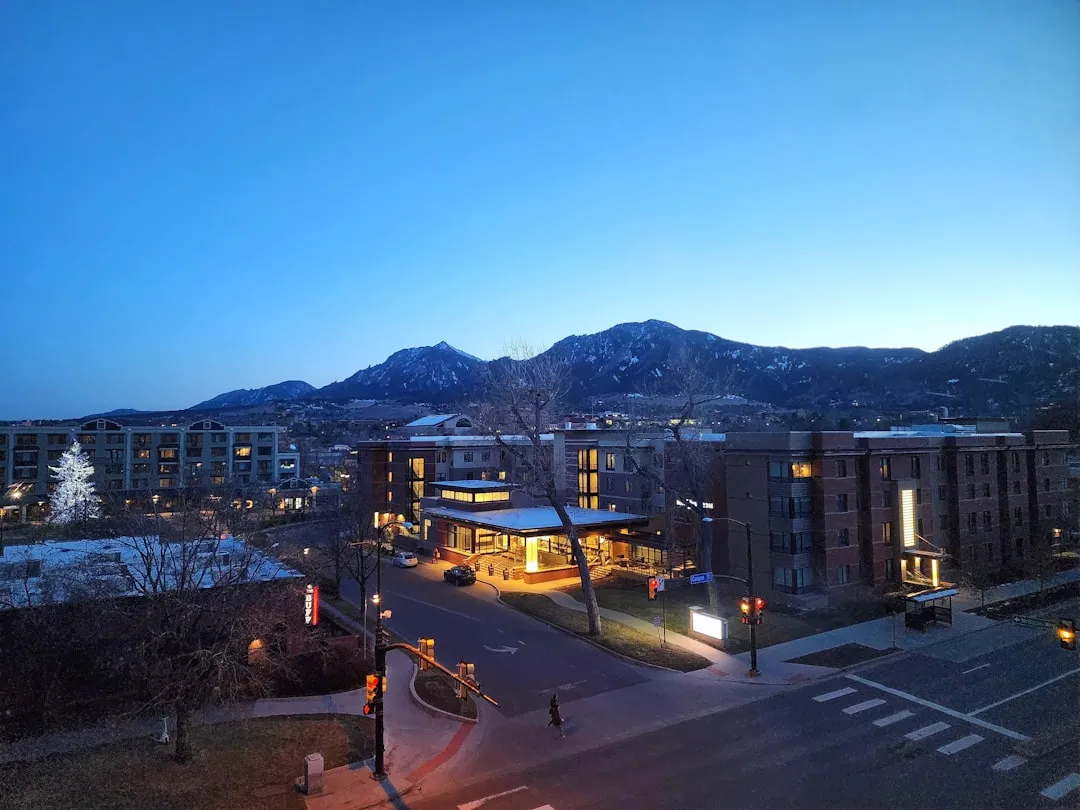
Boulder, Colorado's real estate market features a distinctive combination of mountain scenery and urban amenities that attracts numerous homebuyers. The market has experienced substantial growth driven by an influx of technology professionals, outdoor recreation opportunities, and Boulder's high quality of life ratings. The Boulder real estate market operates as a competitive environment where properties frequently sell rapidly at prices reflecting strong demand.
Average home prices vary based on location, property size, and available amenities. The housing inventory includes single-family homes, townhouses, and condominiums, each offering different benefits for various budgets and lifestyle preferences. Key market indicators such as inventory levels and average days on market significantly influence purchasing strategies.
Local real estate professionals with Boulder market expertise provide essential guidance for navigating current market conditions and trends.
Knowing the Cost of Living in Boulder
As you consider moving to Boulder, it's important to take a close look at the cost of living. This charming city is known for its high quality of life, but that often comes with a price tag. Housing costs are typically the most significant factor in determining your overall expenses.
While you may find some affordable options, many homes in Boulder are priced at a premium due to the desirability of the area. It's wise to create a budget that reflects not only your housing costs but also other essential expenses such as utilities, groceries, and transportation. In addition to housing, you should also consider other aspects of living in Boulder that contribute to the overall cost of living.
For instance, dining out and entertainment can be more expensive than in other regions, reflecting the city's vibrant culinary scene and active lifestyle. However, you may find that many outdoor activities, such as hiking and biking, are free or low-cost, allowing you to enjoy the natural beauty without breaking the bank. By understanding these various components of the cost of living, you can make informed decisions about your move and ensure that your financial expectations align with reality.
Researching Neighborhoods in Boulder
Boulder is home to a diverse array of neighborhoods, each with its own unique character and charm. As you embark on your search for the perfect place to call home, it's essential to research these neighborhoods thoroughly. Some areas may be more family-friendly with access to parks and schools, while others might cater to young professionals seeking a vibrant nightlife and cultural scene.
By identifying what matters most to you—whether it's proximity to work, schools, or recreational activities—you can narrow down your options effectively. Take the time to explore each neighborhood in person if possible. Walking through the streets will give you a feel for the community atmosphere and help you visualize your life there.
You might find that certain neighborhoods resonate with you more than others based on their aesthetics or the vibe of the local residents. Additionally, consider factors such as safety ratings, access to public transportation, and nearby amenities like grocery stores and restaurants. By immersing yourself in the neighborhoods you're considering, you'll be better equipped to make an informed decision about where to settle down in Boulder.
Considering the Commute and Transportation Options
When moving to a new city like Boulder, evaluating your commute and transportation options is crucial for maintaining a balanced lifestyle. Depending on where you work or frequently travel, your daily commute can significantly impact your overall satisfaction with your new home. Boulder is known for its relatively short commute times compared to larger metropolitan areas; however, traffic can still be an issue during peak hours.
Understanding the layout of the city and how it connects to surrounding areas will help you plan accordingly. Boulder offers various transportation options that can make your daily travels more convenient. The city has an extensive public transportation system that includes buses running throughout Boulder and connecting to nearby cities like Denver and Longmont.
If you're an outdoor enthusiast or prefer a more active lifestyle, you'll appreciate the numerous bike paths and pedestrian-friendly routes available throughout the city. Many residents choose to bike or walk to work or local amenities, which not only promotes a healthier lifestyle but also reduces reliance on cars. By considering these factors early on in your home search, you can choose a location that aligns with your commuting preferences.
Understanding the Local School System
If you have children or plan to in the future, understanding Boulder's local school system is essential for making an informed decision about where to live. The Boulder Valley School District serves the area and is known for its commitment to academic excellence and innovative programs. As you research schools, you'll find a range of options from elementary through high school, each offering unique educational philosophies and extracurricular activities.
Visiting schools in person can provide valuable insights into their environments and cultures. You might want to attend open houses or schedule meetings with school administrators to ask questions about curriculum offerings, teacher-to-student ratios, and support services available for students. Additionally, consider looking into reviews from other parents or community members to gauge their experiences with specific schools.
By taking the time to understand Boulder's educational landscape, you'll be better equipped to choose a neighborhood that aligns with your family's needs.
Knowing the Local Laws and Regulations
As a prospective homeowner in Boulder, familiarizing yourself with local laws and regulations is vital for ensuring a smooth transition into your new life. Each city has its own set of rules governing property ownership, zoning laws, and building codes that can affect your home purchase and future renovations. Understanding these regulations will help you avoid potential pitfalls down the line.
For instance, if you're considering purchasing a property with plans for renovations or additions, it's essential to know what permits are required and any restrictions that may apply based on zoning classifications. Additionally, familiarize yourself with homeowners' association (HOA) rules if you're looking at properties within an HOA-managed community. These regulations can dictate everything from landscaping choices to exterior paint colors.
By being proactive about understanding local laws and regulations, you'll be better prepared for homeownership in Boulder.
Considering Outdoor Recreation and Lifestyle
One of Boulder's most significant draws is its unparalleled access to outdoor recreation opportunities. If you're someone who values an active lifestyle or simply enjoys spending time in nature, you'll find that Boulder offers an abundance of options right at your doorstep. From hiking trails that wind through stunning mountain landscapes to world-class rock climbing spots and scenic biking routes, there's no shortage of ways to enjoy the great outdoors.
As you explore potential neighborhoods in Boulder, consider how close they are to parks and recreational areas. Living near open spaces not only enhances your quality of life but also provides easy access for weekend adventures or after-work activities. Additionally, Boulder hosts various outdoor events throughout the year—such as farmers' markets, festivals, and community sports leagues—that foster a sense of community among residents who share similar interests in outdoor pursuits.
By prioritizing outdoor recreation in your home search, you'll be setting yourself up for an active and fulfilling lifestyle.
Understanding the Home Buying Process in Boulder
Navigating the home buying process can be both exciting and overwhelming, especially in a competitive market like Boulder's. To ensure a successful experience, it's essential to familiarize yourself with each step involved in purchasing a home. Start by getting pre-approved for a mortgage; this will give you a clear understanding of your budget and demonstrate your seriousness as a buyer when making offers.
Once you're pre-approved, begin working with a local real estate agent who understands Boulder's market dynamics. They can help you identify properties that meet your criteria while providing valuable insights into pricing trends and negotiation strategies. As you tour homes and narrow down your options, be prepared to act quickly—properties in Boulder often receive multiple offers within days of being listed.
When you find a home that feels right for you, your agent will guide you through making an offer and navigating inspections and closing processes. By understanding each aspect of the home buying process in Boulder—from securing financing to closing on your new property—you'll be well-equipped to make informed decisions every step of the way. Embrace this journey as an opportunity not just to find a house but to create a home where you can thrive in this beautiful city.
SCHEDULE YOUR FREE CONSULTATION
FAQs
What is the average home price in Boulder, Colorado?
The average home price in Boulder varies depending on the neighborhood and market conditions but generally ranges from $700,000 to over $1 million as of recent data. Prices tend to be higher than the national average due to demand and location.
What are the key neighborhoods to consider when buying a home in Boulder?
Popular neighborhoods in Boulder include North Boulder (NoBo), South Boulder, Gunbarrel, and the downtown area. Each offers different amenities, school options, and price points.
Are there any specific local regulations or zoning laws to be aware of?
Yes, Boulder has strict zoning laws and building codes aimed at preserving open space and managing growth. It’s important to review local regulations, especially if considering renovations or new construction.
What is the climate like in Boulder, Colorado?
Boulder experiences a semi-arid climate with four distinct seasons, including cold, snowy winters and warm, dry summers. Weather can impact home maintenance and energy costs.
How competitive is the real estate market in Boulder?
The Boulder housing market is highly competitive due to limited inventory and strong demand. Buyers often face bidding wars and should be prepared with financing and quick decision-making.
What are the property taxes like in Boulder?
Property tax rates in Boulder County are generally moderate but can vary based on the property's assessed value and specific location. It’s advisable to check current rates with the county assessor.
Are there good schools in Boulder for families?
Yes, Boulder is known for its high-quality public and private schools, making it a popular choice for families. The Boulder Valley School District serves most of the city.
What should I know about the cost of living in Boulder?
Boulder has a higher cost of living compared to the national average, driven by housing, transportation, and lifestyle expenses. Budgeting accordingly is important when planning a move.
Is it important to work with a local real estate agent in Boulder?
Yes, working with a local agent can provide valuable insights into the market, neighborhood nuances, and negotiation strategies specific to Boulder.
What are some common home styles found in Boulder?
Common home styles include Craftsman, mid-century modern, contemporary, and mountain-style homes, reflecting the city’s blend of historic and modern architecture.