Proper home insulation is essential for maintaining indoor temperature and reducing energy consumption during winter months. Insulation functions as a thermal barrier that prevents heat transfer between interior and exterior environments. Homeowners should inspect insulation in three primary areas: attics, walls, and floors.
When existing insulation has compressed or proves insufficient, additional material installation can improve thermal performance and reduce heating costs. Common insulation materials include fiberglass batts, rigid foam boards, and blown-in cellulose. Spray foam insulation offers superior air sealing properties by expanding to fill irregular spaces and gaps.
Critical areas requiring attention include penetrations around electrical outlets, light fixtures, and plumbing connections, as these locations frequently allow air infiltration. Heat loss typically occurs through inadequately sealed building envelope components. Addressing these thermal bridges and air leaks can reduce energy consumption by 10-20% according to Department of Energy studies.
Proper insulation installation creates consistent indoor temperatures while decreasing the workload on heating systems, resulting in lower utility bills and improved comfort levels throughout winter seasons.
Protect Your Plumbing
Winter can be particularly harsh on your plumbing system, and taking proactive measures to protect it is essential. One of the most effective ways to prevent frozen pipes is to insulate them, especially those located in unheated areas like basements, attics, or crawl spaces. You can use foam pipe insulation or even old towels to wrap around exposed pipes, providing an extra layer of protection against the cold.
Additionally, you should keep your home heated to a minimum temperature, even when you're away, to ensure that the pipes remain warm. Another important step is to let faucets drip during extreme cold spells. This simple action can relieve pressure in the pipes and prevent them from bursting.
You should also be mindful of your outdoor plumbing fixtures. Disconnect hoses from outdoor faucets and drain them to prevent any residual water from freezing inside the pipes. By taking these precautions, you can safeguard your plumbing system and avoid costly repairs during the winter months.
Clear Snow and Ice Regularly
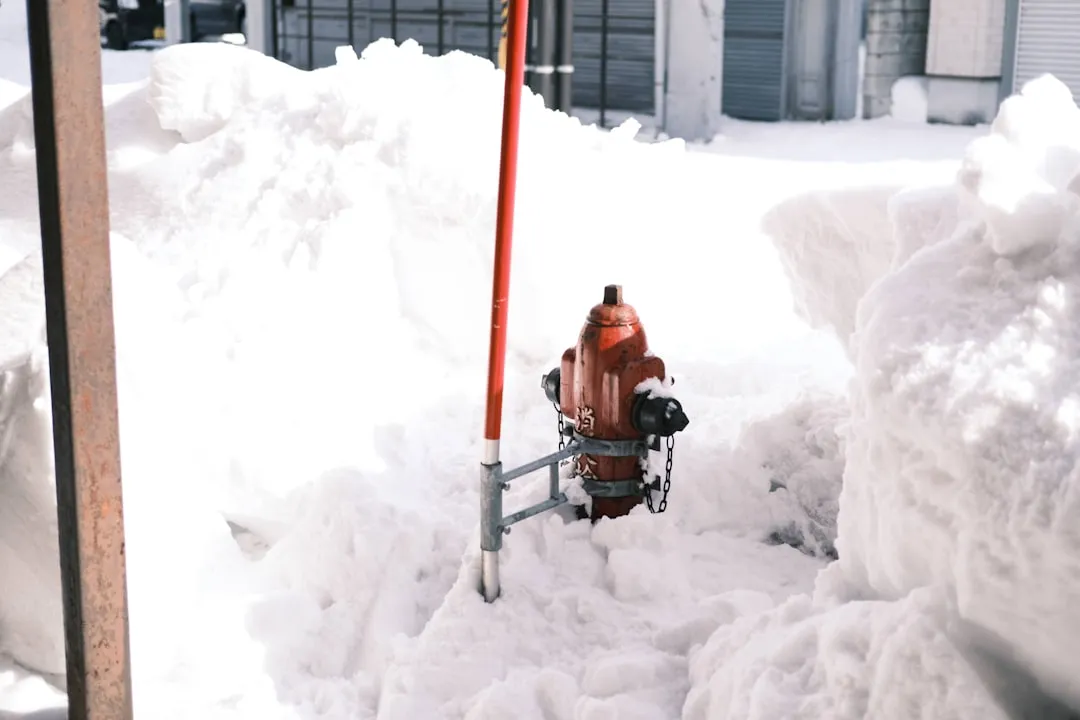
As snow begins to accumulate around your home, it’s crucial to stay on top of snow and ice removal. Regularly clearing snow from walkways, driveways, and roofs not only enhances safety but also prevents potential damage to your property. Heavy snow can weigh down on structures, leading to roof collapses or damage to gutters and downspouts.
You should invest in a good-quality snow shovel or a snow blower to make this task easier and more efficient. In addition to removing snow, you should also be vigilant about ice formation. Ice can create hazardous conditions for you and your visitors, increasing the risk of slips and falls.
Use ice melt products or sand to treat icy surfaces and ensure that they remain safe for foot traffic. By being proactive in clearing snow and ice regularly, you not only protect your home but also create a welcoming environment for family and friends during the winter season.
Maintain Your Heating System
Your heating system is your best ally during the cold winter months, so maintaining it should be a priority. Start by scheduling a professional inspection before the season begins. A technician can check for any issues, clean components, and ensure that your system is running efficiently.
Regular maintenance can extend the lifespan of your heating system and help you avoid unexpected breakdowns when you need it most. In addition to professional maintenance, you should also take some simple steps on your own. Change or clean the air filters regularly to ensure optimal airflow and efficiency.
You might also want to consider upgrading to a programmable thermostat that allows you to set different temperatures for different times of the day, helping you save on energy costs while keeping your home comfortable. By taking these measures, you can ensure that your heating system operates smoothly throughout the winter.
Seal Windows and Doors
Drafty windows and doors can significantly impact your home's energy efficiency during winter. To combat this issue, you should inspect all entry points for gaps or cracks that may allow cold air to seep in. Weatherstripping is an effective solution for sealing these gaps; it’s easy to install and can make a noticeable difference in maintaining indoor temperatures.
You might also consider using caulk for larger cracks around window frames or door thresholds. In addition to sealing gaps, you could invest in thermal curtains or window film that provides an extra layer of insulation against the cold. These additions not only enhance comfort but also contribute to energy savings by reducing the workload on your heating system.
By taking the time to seal windows and doors properly, you create a more energy-efficient home that stays warm and cozy throughout the winter months.
Prepare Your Roof for Winter
Your roof plays a critical role in protecting your home from winter weather, so preparing it for the season is essential. Start by inspecting your roof for any signs of damage or wear, such as missing shingles or leaks. If you notice any issues, it’s best to address them promptly before winter weather exacerbates the problem.
You might want to hire a professional roofer who can assess the condition of your roof and make necessary repairs. Additionally, consider removing any debris from your roof and gutters before the snow arrives. Leaves and branches can trap moisture and lead to ice dams, which can cause significant damage over time.
Keeping your roof clear allows snow to slide off more easily and reduces the risk of water pooling in unwanted areas. By taking these steps to prepare your roof for winter, you can protect your home from potential damage and ensure its longevity.
Keep Your Gutters Clean
Clogged gutters can lead to serious problems during winter months, including ice dams and water damage to your home’s foundation. To prevent these issues, make it a habit to clean your gutters regularly throughout the fall and winter seasons. Remove leaves, twigs, and other debris that may have accumulated in the gutters and downspouts.
This simple task ensures that water flows freely away from your home when it rains or when snow melts. If climbing ladders isn’t feasible for you, consider investing in gutter guards that help keep debris out while allowing water to flow through easily. Additionally, check for any signs of damage or sagging in your gutters; repairing these issues promptly can save you from more extensive repairs down the line.
By keeping your gutters clean and well-maintained, you protect your home from water-related problems during the winter months.
Invest in Professional Maintenance Services
While many of these tasks can be done independently, investing in professional maintenance services can provide peace of mind during winter months. Professionals have the expertise and tools necessary to identify potential issues before they become major problems. Whether it’s a thorough inspection of your heating system or a comprehensive roof assessment, hiring experts ensures that every aspect of your home is ready for winter.
Moreover, professional services often come with warranties or guarantees that protect your investment. This means that if something goes wrong after maintenance has been performed, you have recourse without incurring additional costs. By prioritizing professional maintenance services as part of your winter preparation routine, you not only enhance the safety and comfort of your home but also extend its lifespan through proper care and attention.
In conclusion, preparing your home for winter involves a series of proactive steps that ensure comfort, safety, and efficiency throughout the colder months. From proper insulation and plumbing protection to regular maintenance of heating systems and roofs, each action contributes significantly to creating a warm haven during winter's chill. By taking these measures seriously and considering professional assistance when needed, you can enjoy a cozy winter season without the stress of unexpected repairs or discomfort in your living space.
SCHEDULE YOUR FREE CONSULTATION
FAQs
Why is winter maintenance important for homes in Colorado?
Winter maintenance is crucial in Colorado due to the state's harsh winter conditions, including heavy snowfall, freezing temperatures, and ice accumulation. Proper maintenance helps prevent damage to the roof, plumbing, and exterior, which can preserve the home's structural integrity and overall value.
What are some essential winter maintenance tasks for Colorado homeowners?
Key winter maintenance tasks include inspecting and repairing the roof, sealing windows and doors to prevent drafts, insulating pipes to avoid freezing, clearing gutters and downspouts, and ensuring heating systems are functioning efficiently.
How does winter maintenance affect a home's resale value?
Regular winter maintenance helps prevent costly damage such as water leaks, mold growth, and structural issues. A well-maintained home is more attractive to buyers and can command a higher resale price, thereby helping to hold or increase the home's value.
When should Colorado homeowners start preparing their homes for winter?
Homeowners should begin winter preparations in early fall, ideally by September or October. This timing allows for thorough inspections and repairs before the onset of heavy snow and freezing temperatures.
Can professional services help with winter home maintenance?
Yes, professional services such as roofing contractors, HVAC technicians, and plumbers can provide expert inspections and repairs. Hiring professionals ensures that maintenance tasks are done correctly and safely, which is especially important for complex or hazardous jobs.
What role does insulation play in winter home maintenance?
Proper insulation helps maintain indoor temperatures, reduces heating costs, and prevents ice dams on roofs. Insulating attics, walls, and pipes is a critical step in protecting the home during Colorado winters.
How can homeowners prevent ice dams on their roofs?
To prevent ice dams, homeowners should ensure proper attic insulation and ventilation, keep gutters clean, and remove snow buildup from the roof safely. Ice dams can cause water to back up under shingles, leading to leaks and damage.
Are there any safety tips for winter home maintenance?
Safety tips include using sturdy ladders, wearing appropriate footwear to prevent slips, avoiding overexertion when shoveling snow, and turning off outdoor water sources to prevent pipe bursts. When in doubt, hiring professionals is recommended.
How often should heating systems be serviced in Colorado homes?
Heating systems should be inspected and serviced at least once a year, preferably before the winter season begins, to ensure they operate efficiently and safely throughout the cold months.
What are the signs that a home needs winter maintenance repairs?
Signs include drafts near windows and doors, uneven heating, ice buildup on the roof, water stains on ceilings or walls, and visible damage to gutters or roofing materials. Addressing these issues promptly can prevent further damage.