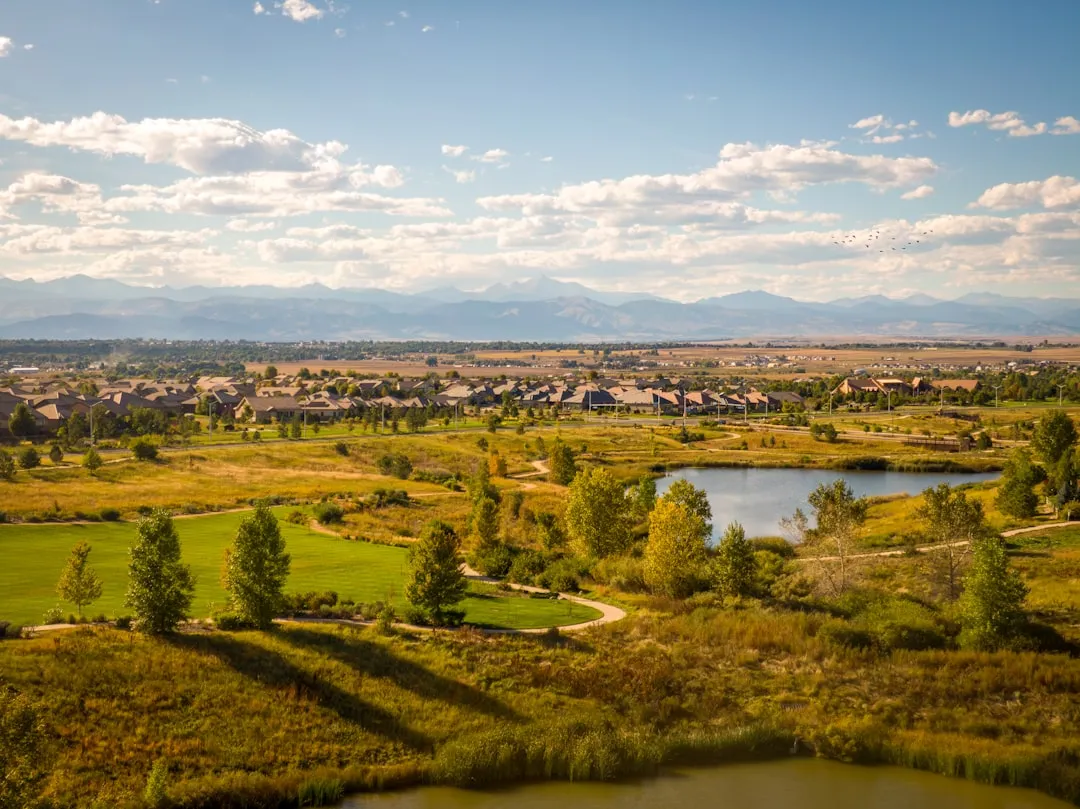
Broomfield, Colorado, is located between Denver and Boulder in the Denver metropolitan area. The city was incorporated in 1961 and has experienced substantial population and economic growth, transforming from a small community into a mid-sized urban center. Broomfield sits at an elevation that provides views of the Rocky Mountains to the west and the Great Plains to the east.
The city occupies a strategic position in the region with access to major transportation corridors, including U.S. Highway 36 and State Highway 121. Interstate 25 runs along its eastern border.
Public transportation options include RTD bus routes and the FasTracks commuter rail system, which connects Broomfield to Denver International Airport and downtown Denver. This transportation infrastructure has facilitated the city's development as a residential and commercial hub. Broomfield's population has grown significantly since incorporation, attracting residents across various age groups and income levels.
The city operates under a consolidated city and county government structure, making it both a municipality and a county. Local government initiatives have focused on sustainable development practices, economic diversification, and maintaining community services and recreational facilities.
Real Estate and Housing Trends
The real estate market in Broomfield has experienced significant changes in recent years, reflecting broader trends in the Denver metropolitan area. As you consider moving to this city, you will notice that housing options range from single-family homes to modern condominiums, catering to various preferences and budgets. The demand for housing has surged due to Broomfield's appealing lifestyle and proximity to major employment centers, leading to a competitive market where homes often sell quickly.
In addition to traditional residential properties, Broomfield has seen an increase in mixed-use developments that combine living spaces with retail and recreational facilities. This trend not only enhances the urban landscape but also fosters a sense of community by providing residents with convenient access to shops, restaurants, and entertainment options. As you navigate the housing market in Broomfield, it is essential to stay informed about current trends and pricing to make the best decision for your needs.
Economic and Job Growth
Broomfield's economy is robust and diverse, with a strong emphasis on technology, healthcare, and renewable energy sectors. As you explore job opportunities in the area, you will find that many major companies have established their headquarters or regional offices here. This influx of businesses has created a wealth of employment opportunities for residents, contributing to the city's low unemployment rate and overall economic stability.
The city's commitment to fostering a business-friendly environment has attracted startups and established firms alike. As you consider your career options in Broomfield, you will likely encounter a range of industries that are thriving in this dynamic environment. The local government actively supports economic development initiatives, ensuring that Broomfield remains an attractive destination for both businesses and job seekers.
Community and Cultural Developments
Broomfield is not just about economic growth; it is also a community that values culture and connection. The city hosts numerous events throughout the year that celebrate its diverse population and rich heritage. From art festivals to farmers' markets, there are ample opportunities for you to engage with your neighbors and immerse yourself in the local culture.
These events foster a sense of belonging and pride among residents, making Broomfield a welcoming place for newcomers. In addition to community events, Broomfield boasts several cultural institutions that enrich the lives of its residents. The Broomfield Auditorium and the Broomfield Library are just two examples of venues that host performances, workshops, and educational programs.
As you explore these cultural offerings, you will find that they contribute significantly to the city's vibrant atmosphere and provide opportunities for lifelong learning and artistic expression.
Education and School System
When it comes to education, Broomfield is home to a well-regarded school system that prioritizes academic excellence and student well-being. The city is served by several school districts, including the Boulder Valley School District and the Adams 12 Five Star Schools. As you consider raising a family in Broomfield or pursuing your own education, you will find that these districts offer a variety of programs designed to meet the needs of all students.
In addition to public schools, Broomfield also has access to several private institutions and charter schools that provide alternative educational options. The emphasis on quality education extends beyond K-12 institutions; there are also opportunities for higher education nearby. With institutions like the University of Colorado Boulder just a short drive away, residents have access to a wealth of resources for personal and professional development.
Outdoor Recreation and Lifestyle
One of the most appealing aspects of living in Broomfield is its proximity to outdoor recreational activities. The city is surrounded by stunning natural landscapes that invite exploration and adventure. Whether you enjoy hiking, biking, or simply taking leisurely strolls through parks, Broomfield offers an abundance of options for outdoor enthusiasts.
The city's extensive trail system connects neighborhoods with parks and open spaces, making it easy for you to enjoy the great outdoors. In addition to its trails and parks, Broomfield is home to several recreational facilities that cater to various interests. From sports complexes to community centers, there are plenty of opportunities for you to engage in physical activities or participate in organized sports leagues.
The city's commitment to promoting an active lifestyle is evident in its investment in recreational infrastructure, ensuring that residents have access to quality facilities for fitness and leisure.
Transportation and Infrastructure
Broomfield's transportation infrastructure is designed to support its growing population while maintaining accessibility and convenience. The city is strategically located near major highways such as Interstate 25 and U.S. Highway 287, making commuting to nearby cities like Denver and Boulder a breeze.
As you navigate your daily routine, you will appreciate the ease of travel that these thoroughfares provide. Public transportation options are also available for those who prefer not to drive. The Regional Transportation District (RTD) operates bus services that connect Broomfield with surrounding areas, offering an alternative for commuters and residents alike.
Additionally, ongoing infrastructure improvements aim to enhance connectivity within the city itself, ensuring that residents can easily access essential services and amenities.
Future Outlook and Projections
Looking ahead, Broomfield's future appears bright as it continues to evolve and adapt to changing demographics and economic conditions. The city's proactive approach to urban planning ensures that growth is managed sustainably while preserving the quality of life that residents cherish. As you consider making Broomfield your home or investing in its future, you can expect continued development in housing, business opportunities, and community amenities.
Projections indicate that Broomfield will continue to attract new residents and businesses in the coming years. With its strong economy, vibrant community life, and commitment to sustainability, the city is well-positioned for long-term success. As you explore what Broomfield has to offer, you will find a place that not only meets your immediate needs but also provides a foundation for future growth and prosperity.
SCHEDULE YOUR FREE CONSULTATION
FAQs
What is the population of Broomfield, Colorado expected to be in 2026?
Broomfield's population is projected to continue growing steadily, with estimates suggesting a population of around 75,000 to 80,000 residents by 2026, reflecting ongoing residential development and economic opportunities.
What are the main economic sectors in Broomfield in 2026?
In 2026, Broomfield's economy is expected to be diverse, with strong sectors including technology, healthcare, retail, and professional services. The city benefits from its proximity to Denver and Boulder, attracting businesses and startups.
How is the housing market in Broomfield in 2026?
The housing market in Broomfield in 2026 is anticipated to remain competitive, with a mix of single-family homes, townhouses, and apartments. New residential developments aim to accommodate the growing population while maintaining community amenities.
What transportation options are available in Broomfield in 2026?
Broomfield offers various transportation options including access to major highways, public transit services like buses, and proximity to regional rail lines. Efforts to improve bike lanes and pedestrian pathways are also ongoing to enhance mobility.
What educational facilities are available in Broomfield in 2026?
Broomfield is served by several public and private schools, including elementary, middle, and high schools. The city also has access to nearby colleges and universities, providing residents with a range of educational opportunities.
What recreational activities can residents enjoy in Broomfield in 2026?
Residents of Broomfield in 2026 can enjoy numerous parks, trails, and recreational centers. The city offers outdoor activities such as hiking, biking, and community sports programs, along with cultural events and local festivals.
Is Broomfield considered a safe place to live in 2026?
Broomfield is generally regarded as a safe community with ongoing efforts by local law enforcement to maintain public safety. Crime rates are typically lower than national averages, contributing to its appeal as a residential area.
How is the healthcare infrastructure in Broomfield in 2026?
Broomfield has access to quality healthcare facilities, including clinics, urgent care centers, and hospitals in the surrounding region. Healthcare services continue to expand to meet the needs of the growing population.
What is the climate like in Broomfield, Colorado?
Broomfield experiences a semi-arid climate with four distinct seasons. Summers are warm and dry, while winters can be cold with occasional snowfall. The climate remains consistent through 2026, offering residents a variety of seasonal outdoor activities.
Are there any major developments or projects planned for Broomfield by 2026?
Several development projects focusing on residential growth, commercial expansion, and infrastructure improvements are planned or underway to support Broomfield's growth through 2026. These include new housing communities, retail centers, and enhancements to public spaces.