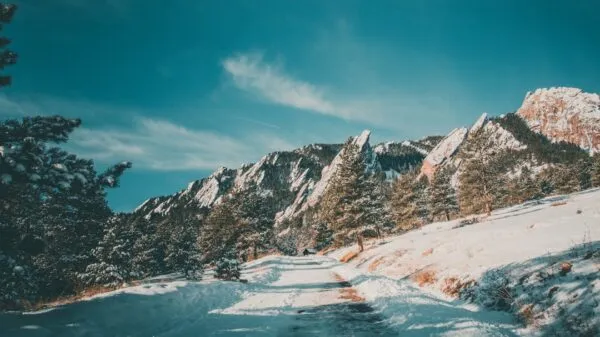
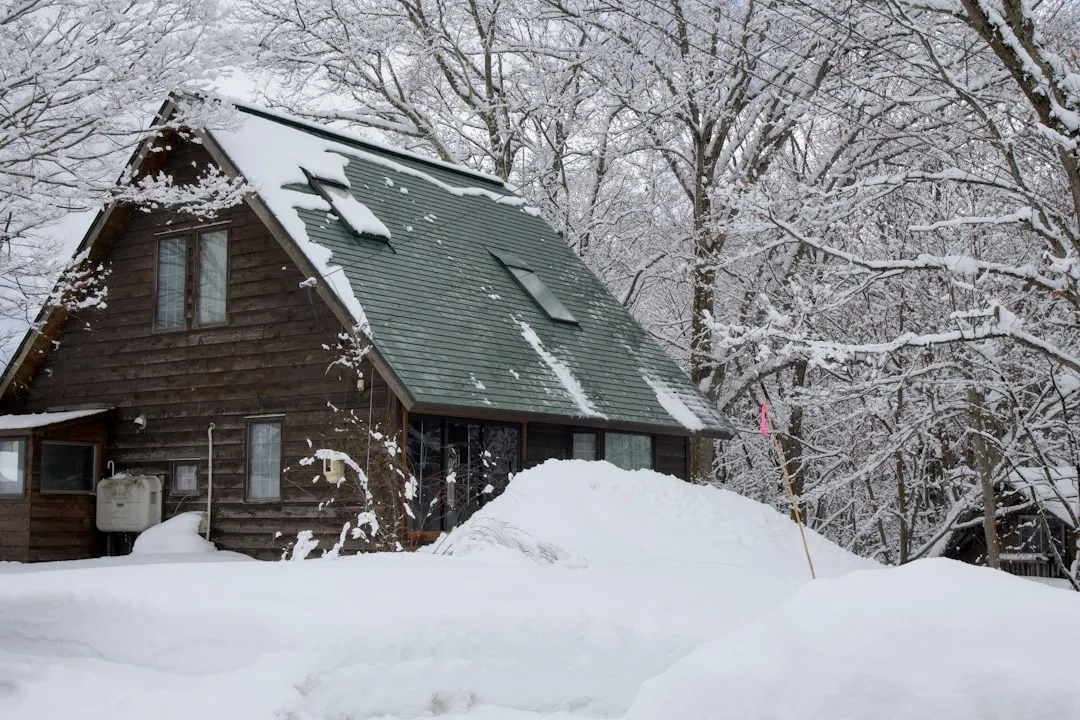
As autumn transitions to winter in Colorado, the state undergoes a dramatic transformation. The Rocky Mountains become covered in snow, and ice formations appear throughout the landscape. While visually impressive, winter in Colorado presents significant challenges for homeowners.
The state experiences unpredictable weather conditions, with rapid shifts from clear skies to severe snowstorms. Understanding Colorado's winter climate patterns is crucial for maintaining home safety and comfort during this season. Colorado winters involve several environmental factors that can damage residential properties, including substantial snowfall, below-freezing temperatures, and ice buildup.
These conditions can cause various problems if preventative measures aren't taken. Homeowners need to ensure heating systems are operational, prevent ice dam formation on roofs, and address other seasonal maintenance requirements. By identifying common winter-related issues and implementing appropriate precautions, residents can protect their properties while enjoying the winter season.
Common Issues Caused by Winter Weather
As winter settles in, you may find that your home faces several challenges due to the harsh conditions. One of the most prevalent issues is the risk of frozen pipes. When temperatures plummet, water inside your pipes can freeze, leading to blockages or even bursts that can cause significant water damage.
This is particularly concerning in unheated areas of your home, such as basements or crawl spaces. To avoid this problem, it’s crucial to keep your home heated adequately and insulate any vulnerable pipes. Another common issue during Colorado winters is snow accumulation on roofs and driveways.
While a light dusting may seem harmless, heavy snowfall can lead to structural damage if not addressed promptly. Roofs are particularly susceptible to the weight of snow, which can cause sagging or even collapse in extreme cases. Additionally, snow and ice buildup on driveways can create hazardous conditions for you and your guests.
Being aware of these potential problems allows you to take preventive measures and ensure your home remains safe throughout the winter months.
Preparing Your Home for Winter
Preparation is key when it comes to safeguarding your home against the rigors of winter weather. Start by conducting a thorough inspection of your property. Check for any drafts around windows and doors, as these can lead to heat loss and increased energy bills.
Sealing gaps with weatherstripping or caulk can make a significant difference in maintaining a comfortable indoor temperature. Additionally, consider installing storm windows or using window film to enhance insulation. Another essential step in preparing your home for winter is ensuring that your heating system is in optimal condition.
Schedule a professional inspection of your furnace or boiler to ensure it operates efficiently and safely. Replace filters regularly to maintain good air quality and efficiency. If you rely on space heaters, make sure they are in good working order and follow safety guidelines to prevent fire hazards.
Taking these steps will not only keep you warm but also help you avoid costly repairs down the line.
Winter Maintenance Tips for Colorado Homes
Once you have prepared your home for winter, ongoing maintenance becomes crucial to ensure everything continues to function smoothly. Regularly clearing snow from walkways and driveways is essential for safety and accessibility. Invest in a good-quality snow shovel or consider purchasing a snow blower if you have a large area to clear.
Additionally, keep an eye on your roof and gutters; removing snow buildup can prevent ice dams from forming, which can lead to leaks and water damage. Don’t forget about your outdoor spaces as well. If you have outdoor furniture or decorations, consider storing them indoors or covering them with weather-resistant tarps to protect them from the elements.
This not only prolongs their lifespan but also keeps your yard looking tidy throughout the winter months. Regular maintenance will help you avoid last-minute scrambles when a snowstorm hits, allowing you to enjoy the season without unnecessary stress.
Dealing with Snow and Ice Buildup
When snow accumulates on your property, it’s essential to have a plan in place for dealing with it effectively. Start by investing in quality ice melt products that are safe for use on driveways and walkways. These products can help prevent ice from forming and make it easier to clear away snow.
Be sure to follow the manufacturer’s instructions for application to achieve the best results. In addition to using ice melt, consider implementing a regular snow removal schedule. After each snowfall, take the time to clear your driveway and walkways promptly.
This not only enhances safety but also prevents compacted snow from turning into ice, which can be much more challenging to remove later on. If you find yourself overwhelmed by heavy snowfall, don’t hesitate to hire a professional snow removal service to ensure your property remains safe and accessible.
Protecting Your Home from Freezing Temperatures
Freezing temperatures pose a significant threat to your home during Colorado winters, particularly when it comes to plumbing and heating systems. To protect against frozen pipes, consider insulating any exposed plumbing in unheated areas of your home. Pipe insulation sleeves are an affordable solution that can help maintain a consistent temperature within your pipes.
Additionally, during extreme cold spells, it’s wise to let faucets drip slightly to keep water flowing through the pipes. This simple action can prevent freezing by relieving pressure within the system. If you plan to be away from home during particularly cold weather, consider leaving your thermostat set at a minimum temperature to ensure that your heating system continues to operate effectively.
Ensuring Proper Insulation and Energy Efficiency
Proper insulation is vital for maintaining energy efficiency during the winter months. A well-insulated home not only keeps you warm but also reduces energy costs significantly. Start by checking your attic insulation; this area is often overlooked but plays a crucial role in preventing heat loss.
If you find that your insulation is inadequate or has settled over time, consider adding more insulation material. In addition to attic insulation, pay attention to other areas such as walls and floors. Insulating these spaces can further enhance energy efficiency and comfort levels within your home.
You might also want to consider upgrading windows to double or triple-pane options that provide better insulation against cold temperatures. By investing in proper insulation and energy-efficient upgrades, you’ll create a more comfortable living environment while saving money on heating bills.
Conclusion and Final Tips for Winterizing Your Colorado Home
As winter approaches in Colorado, taking proactive steps to winterize your home is essential for ensuring comfort and safety throughout the season. From preparing your heating system and insulating vulnerable areas to managing snow and ice buildup effectively, each action contributes to protecting your property from winter’s harsh elements. Remember that regular maintenance is key; staying vigilant about potential issues will save you time and money in the long run.
As you embrace the beauty of winter in Colorado, take pride in knowing that you have taken the necessary steps to keep your home warm and secure during this enchanting season. With careful planning and preparation, you can enjoy all that winter has to offer while keeping your home safe from its challenges.
SCHEDULE YOUR FREE CONSULTATION
FAQs
How does winter weather typically affect homes in Colorado?
Winter weather in Colorado often brings heavy snowfall, freezing temperatures, and strong winds. These conditions can lead to issues such as ice dams on roofs, frozen or burst pipes, increased heating costs, and potential structural damage due to snow accumulation.
What are common problems caused by ice dams on Colorado homes?
Ice dams form when snow on a roof melts and refreezes at the eaves, preventing proper drainage. This can cause water to back up under shingles, leading to leaks, water damage inside the home, and potential mold growth.
How can homeowners prevent frozen or burst pipes during Colorado winters?
To prevent frozen pipes, homeowners should insulate exposed pipes, keep indoor temperatures consistent, allow faucets to drip during extreme cold, and seal any gaps or cracks that let cold air into the home.
What maintenance steps should be taken before winter to protect Colorado homes?
Before winter, it is important to inspect and clean gutters, check roof integrity, seal windows and doors, service heating systems, and ensure proper insulation in attics and basements.
How can homeowners reduce heating costs during the cold Colorado winter of 2026?
Reducing heating costs can be achieved by improving home insulation, using programmable thermostats, sealing air leaks, maintaining heating equipment, and utilizing energy-efficient windows and doors.
What emergency preparations are recommended for Colorado residents during winter storms?
Residents should have an emergency kit with food, water, flashlights, batteries, and blankets. It is also advisable to have a backup heating source, keep vehicles fueled, and stay informed about weather forecasts and road conditions.
Are there any new technologies or products recommended for winterizing homes in 2026?
In 2026, advancements include smart home thermostats with remote control, improved pipe insulation materials, energy-efficient window films, and roof heating cables designed to prevent ice dams more effectively.
When should Colorado homeowners consider professional help for winter home maintenance?
Professional help is recommended for roof inspections, heating system servicing, insulation upgrades, and addressing complex issues like significant ice dam removal or water damage repairs.