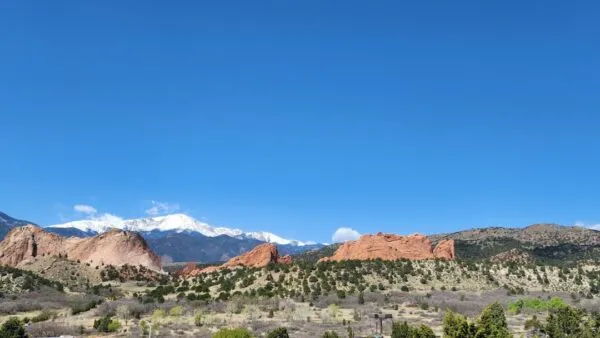
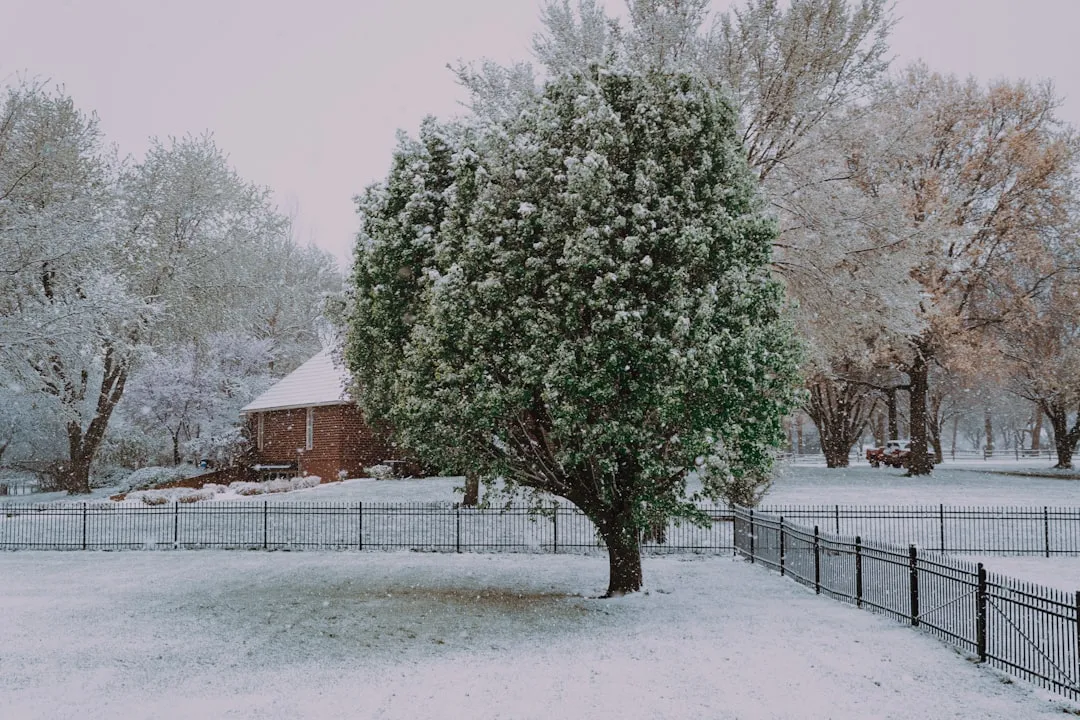
Colorado's climate has undergone significant changes in recent decades. Observable shifts include warmer winters and less predictable snowfall patterns, which affect daily activities and home maintenance requirements. These climate variations necessitate adaptive strategies to maintain comfort and energy efficiency in residential settings.
The warming trend has resulted in diminished snowpack levels, creating concerns for water resources and elevating wildfire risks during dry periods. Winter preparation now requires consideration of increasingly extreme weather events, including severe snowstorms and rapid temperature fluctuations. Staying informed about these climate trends enables better anticipation of seasonal challenges and more effective preparation for changing environmental conditions.
Inspecting and Sealing Windows and Doors
One of the most effective ways to prepare your home for winter is by inspecting and sealing your windows and doors. Drafty windows and doors can lead to significant heat loss, making your heating system work harder and increasing your energy bills. As you embark on this task, take the time to check for any gaps or cracks around frames and sills.
A simple visual inspection can reveal areas that need attention, but don’t hesitate to run your hand along the edges to feel for cold drafts. Once you’ve identified any problem areas, sealing them with weatherstripping or caulk can make a world of difference. Weatherstripping is an easy-to-install solution that can be applied to movable parts of doors and windows, while caulk is ideal for filling in gaps around stationary frames.
By taking these steps, you not only enhance your home’s energy efficiency but also create a more comfortable living environment during the chilly months ahead.
Preparing Your Heating System
As winter approaches, ensuring that your heating system is in optimal condition is paramount. You rely on this system to keep your home warm and cozy, so taking the time to prepare it can save you from unexpected breakdowns when temperatures plummet. Start by scheduling a professional inspection of your furnace or heating system.
A technician can identify any potential issues and perform necessary maintenance, such as cleaning filters or checking for gas leaks. In addition to professional maintenance, there are several steps you can take on your own. Change the air filters regularly to ensure proper airflow and efficiency.
If you have a programmable thermostat, consider adjusting it to optimize energy use while still keeping your home comfortable. By preparing your heating system now, you can enjoy peace of mind knowing that you’re ready for whatever winter throws your way.
Protecting Your Pipes from Freezing
One of the most critical aspects of winter preparation is protecting your plumbing from freezing temperatures. When water freezes inside pipes, it expands and can cause them to burst, leading to costly repairs and water damage. To prevent this from happening, start by insulating any exposed pipes in unheated areas of your home, such as basements or crawl spaces.
Foam pipe insulation is an effective and easy-to-install solution that can help maintain a consistent temperature around your plumbing. Additionally, consider letting faucets drip during extreme cold spells. This simple act can relieve pressure in the pipes and prevent freezing.
If you plan to be away from home during winter, make sure to keep your thermostat set at a minimum temperature to avoid any potential issues. By taking these precautions, you can safeguard your plumbing system and avoid the headaches that come with frozen pipes.
Winterizing Your Roof and Gutters
Your roof and gutters play a vital role in protecting your home from winter weather. As snow accumulates on your roof, it’s essential to ensure that it can handle the weight without risking structural damage. Start by inspecting your roof for any missing or damaged shingles that may need replacement.
If you notice any issues, addressing them before winter sets in can save you from more significant problems down the line. Gutter maintenance is equally important during this season. Clogged gutters can lead to ice dams forming on your roof, which can cause water to back up and seep into your home.
Take the time to clean out leaves and debris from your gutters and downspouts to ensure proper drainage. Installing gutter guards can also help minimize future clogs. By winterizing your roof and gutters, you’re taking proactive steps to protect your home from potential water damage during the snowy months.
Landscaping and Outdoor Maintenance
As winter approaches, it’s time to shift your focus to landscaping and outdoor maintenance tasks that will prepare your yard for the colder months ahead. Start by trimming back any dead or overgrown branches from trees and shrubs. This not only enhances the appearance of your yard but also reduces the risk of branches breaking under the weight of snow or ice.
Additionally, consider mulching around plants and flower beds to provide insulation against freezing temperatures. This protective layer helps retain moisture in the soil while preventing frost from damaging roots. If you have any tender plants or flowers that won’t survive the winter chill, be sure to bring them indoors or cover them with protective materials.
By taking these steps, you’ll ensure that your outdoor space remains healthy and vibrant when spring arrives.
Stocking Up on Winter Essentials
As winter approaches, it’s wise to stock up on essential supplies that will keep you comfortable and safe during the colder months. Start by checking your inventory of items such as blankets, warm clothing, and non-perishable food items. Having a well-stocked pantry can be a lifesaver during snowstorms or extreme weather events when getting to the store may not be feasible.
In addition to food and clothing, consider gathering supplies for maintaining your home during winter storms. This includes items like ice melt for walkways, shovels for clearing snow, and batteries for flashlights in case of power outages. By preparing ahead of time, you’ll be ready for anything winter throws at you, allowing you to focus on enjoying the season rather than scrambling for last-minute essentials.
Creating a Winter Emergency Kit
Finally, creating a winter emergency kit is an essential step in ensuring your safety during unexpected weather events. Start by assembling a collection of items that will help you stay warm and safe if you find yourself stranded at home or on the road. Include essentials such as blankets, a first aid kit, non-perishable food items, bottled water, and a flashlight with extra batteries.
Don’t forget to add items specific to your needs or those of your family members. For example, if you have pets, include food and supplies for them as well. It’s also wise to have a battery-powered radio on hand for weather updates during storms.
By taking the time to create a comprehensive emergency kit, you’ll be well-prepared for any situation that arises during the winter months, giving you peace of mind as you navigate this beautiful but sometimes unpredictable season in Colorado.
SCHEDULE YOUR FREE CONSULTATION
FAQs
Why is winterizing my Colorado home important?
Winterizing your Colorado home is essential to protect it from harsh winter conditions, prevent damage from freezing temperatures, reduce energy costs, and ensure your home remains safe and comfortable throughout the cold months.
When should I start winterizing my home in Colorado?
It is best to begin winterizing your Colorado home in early fall, typically between September and October, before the first freeze. This allows ample time to complete necessary preparations before the cold weather arrives.
What are the key steps to winterize a Colorado home?
Key steps include sealing air leaks, insulating pipes and attics, servicing heating systems, cleaning gutters, protecting outdoor faucets, and checking the roof for damage. These measures help maintain warmth and prevent costly repairs.
How can I prevent pipes from freezing in Colorado winters?
To prevent frozen pipes, insulate exposed pipes, keep cabinet doors open to allow warm air circulation, maintain a consistent indoor temperature, and consider using pipe heating cables in vulnerable areas.
Should I service my heating system before winter?
Yes, servicing your heating system before winter is crucial. Have a professional inspect and clean your furnace or boiler to ensure it operates efficiently and safely during the cold months.
How can I improve my home's energy efficiency for winter?
Improving energy efficiency can be achieved by sealing drafts around windows and doors, adding weatherstripping, upgrading insulation, using programmable thermostats, and ensuring your heating system is well-maintained.
What outdoor maintenance is necessary for winterizing a Colorado home?
Outdoor maintenance includes cleaning gutters, trimming tree branches near the house, draining and shutting off outdoor water sources, covering or storing outdoor furniture, and inspecting the roof for loose shingles or damage.
Are there any safety precautions to consider when winterizing?
Yes, ensure carbon monoxide detectors are functioning, avoid using space heaters improperly, keep fire extinguishers accessible, and follow manufacturer guidelines when servicing heating equipment to maintain safety.
Can winterizing help reduce heating costs?
Absolutely. Proper winterizing reduces heat loss, improves insulation, and enhances heating system efficiency, all of which contribute to lower energy consumption and reduced heating bills.
Is professional help recommended for winterizing my home?
While many winterizing tasks can be done by homeowners, hiring professionals for heating system maintenance, roof inspections, and complex insulation work can ensure thorough and safe preparation for winter.